Published on
Monday, 16 November 2026
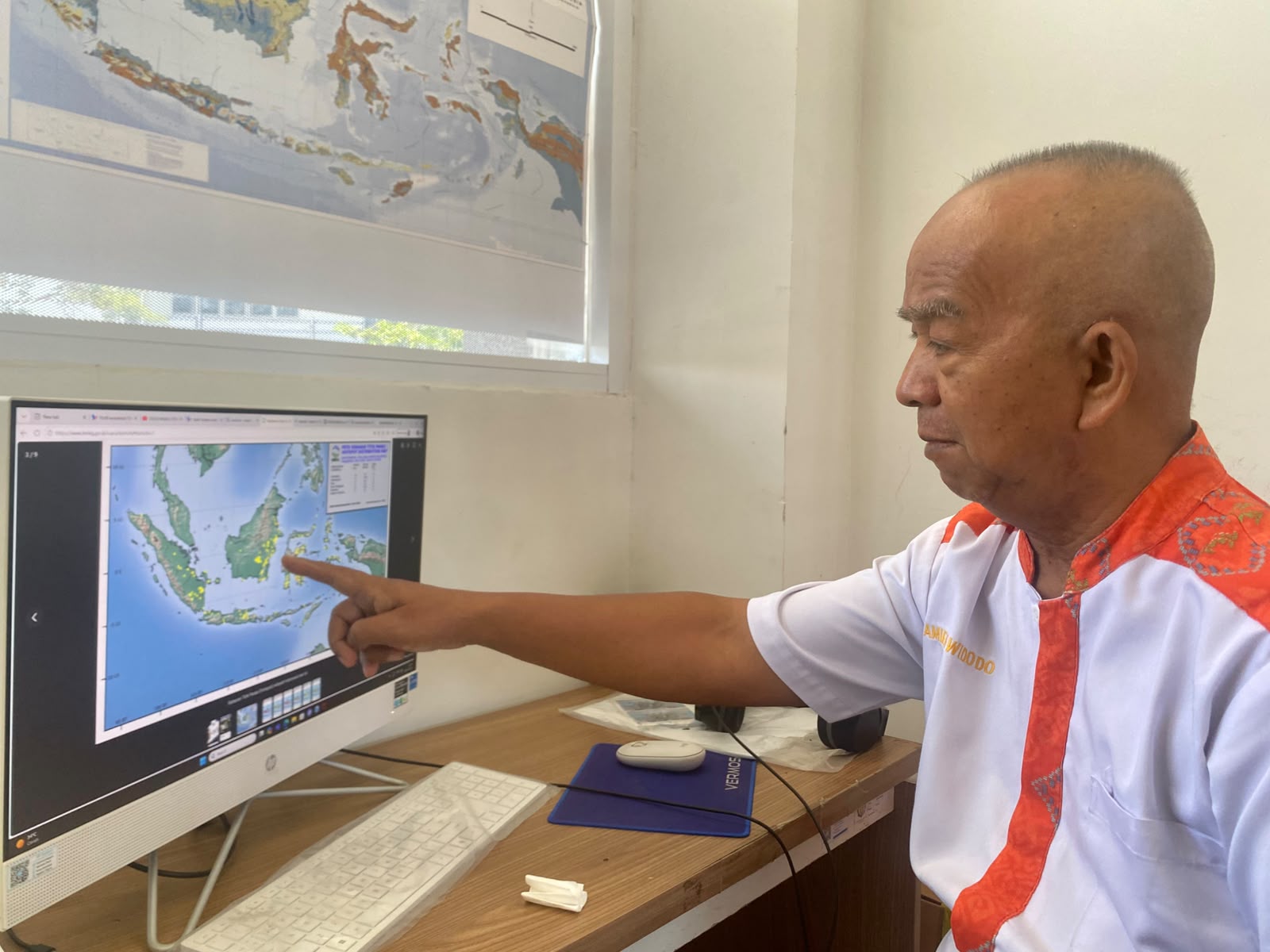
ITS Campus, ITS News — Indonesia has one of the largest peatland areas in the world, holding vast potential for carbon storage and ecosystem support. In response to recurring peatland fires, geology expert at Institut Teknologi Sepuluh Nopember (ITS) Dr Ir Amien Widodo MSi has called for a comprehensive review of Indonesia’s peatland management.
The lecturer from the ITS Department of Geophysical Engineering explained that peatlands are unique areas formed naturally in tropical forests. Plant remains accumulating over thousands of years create a wetland zone with high water content. Peatland depth varies widely, ranging from shallow layers to 3–6 meters. “In several remote island locations, the depth can reach 10 to 18 meters,” he explained.
Regarding its history in Indonesia, Amien noted that in 1995, the government launched the One Million Hectare Peatland Development (PLG) project in Central Kalimantan. The project converted peatlands into agricultural areas, leading to land clearing and the construction of canals to drain water for planting. However, acidic soil conditions caused the project to fail, and parts of the area have since been converted into oil palm plantations.
The constructed canals, combined with the remaining dried land, created expanses that catch fire easily. Holding a master’s degree in Environmental Science, Amien noted that these areas burn almost every dry season. This poses a serious problem because once the land ignites, the fire spreads rapidly and is difficult to extinguish. “Embers spreading underground make the firefighting process take a long time,” he explained.
On the other hand, land clearing by burning is prohibited under several Indonesian regulations. However, exceptions exist when burning practices are based on local community wisdom, including under West Kalimantan Provincial Regulation Number 1 of 2022. According to the Yogyakarta-born expert, this regulation can serve as a loophole that triggers forest and land fires.
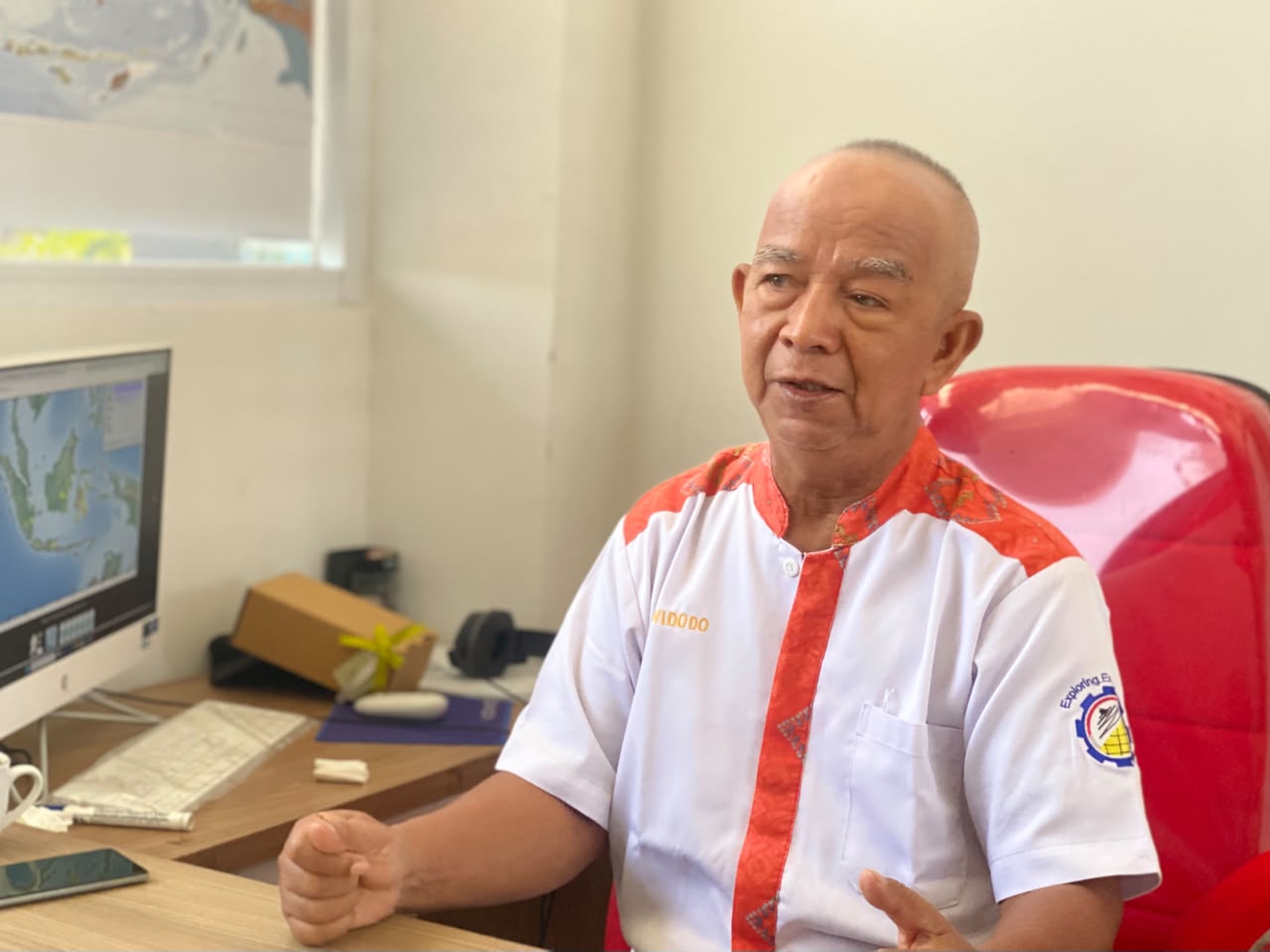
Although prolonged droughts and the current El Niño phenomenon are frequently linked to forest and land fires, Amien explained that they are merely aggravating factors. Management and regulation remain the root causes behind the fires, which have inflicted severe ecological, health, social, and economic impacts. Amien also stressed the need to re-evaluate peatland management across Indonesia.
He urged that these demands be addressed promptly given the wide range of consequences that can arise. Holding a doctorate in Geology, Amien stated that burning peatlands releases carbon stored for millennia, worsening the climate crisis. “In addition, the resulting air pollution causes health problems and disrupts various community activities, including economic operations,” he said.
In light of this disaster, Amien called for synergy among all relevant and responsible parties. According to him, the government must act swiftly and enforce stricter regulations given how rapidly the fires spread, including through established agencies. Furthermore, companies found liable should be required to provide immediate assistance, such as digging trenches along land boundaries to prevent the fire from spreading further.
Moreover, Amien advised that plans to develop peatland areas into food and energy self-sufficiency zones must not repeat past mistakes. He also emphasized collaborating with local communities so they can actively participate when land-use changes occur. “Communities can play a direct role in safeguarding the land in their respective areas,” he said.
This call aligns with the commitment to achieving the Sustainable Development Goals (SDGs), specifically Goal 13 on Climate Action and Goal 15 on Life on Land. Amien expressed hope that this disaster can be resolved swiftly and serve as a reminder to protect natural ecosystems according to their specific characteristics and needs. “Hopefully, everyone can maximize their roles and responsibilities in addressing this disaster,” he affirmed. (HUMAS ITS)
Reporter: Bella Ramadhani