TEP 24 ITS 2026 Audience with the Deputy Regent of Belu, NTT
Belu, ITS News — Indonesia still has much work to do in addressing issues in transmigration areas. The existing disparities in access need to be addressed collaboratively and sustainably. This is particularly important in developing transmigration areas on the border to maximize the region’s potential effectively.
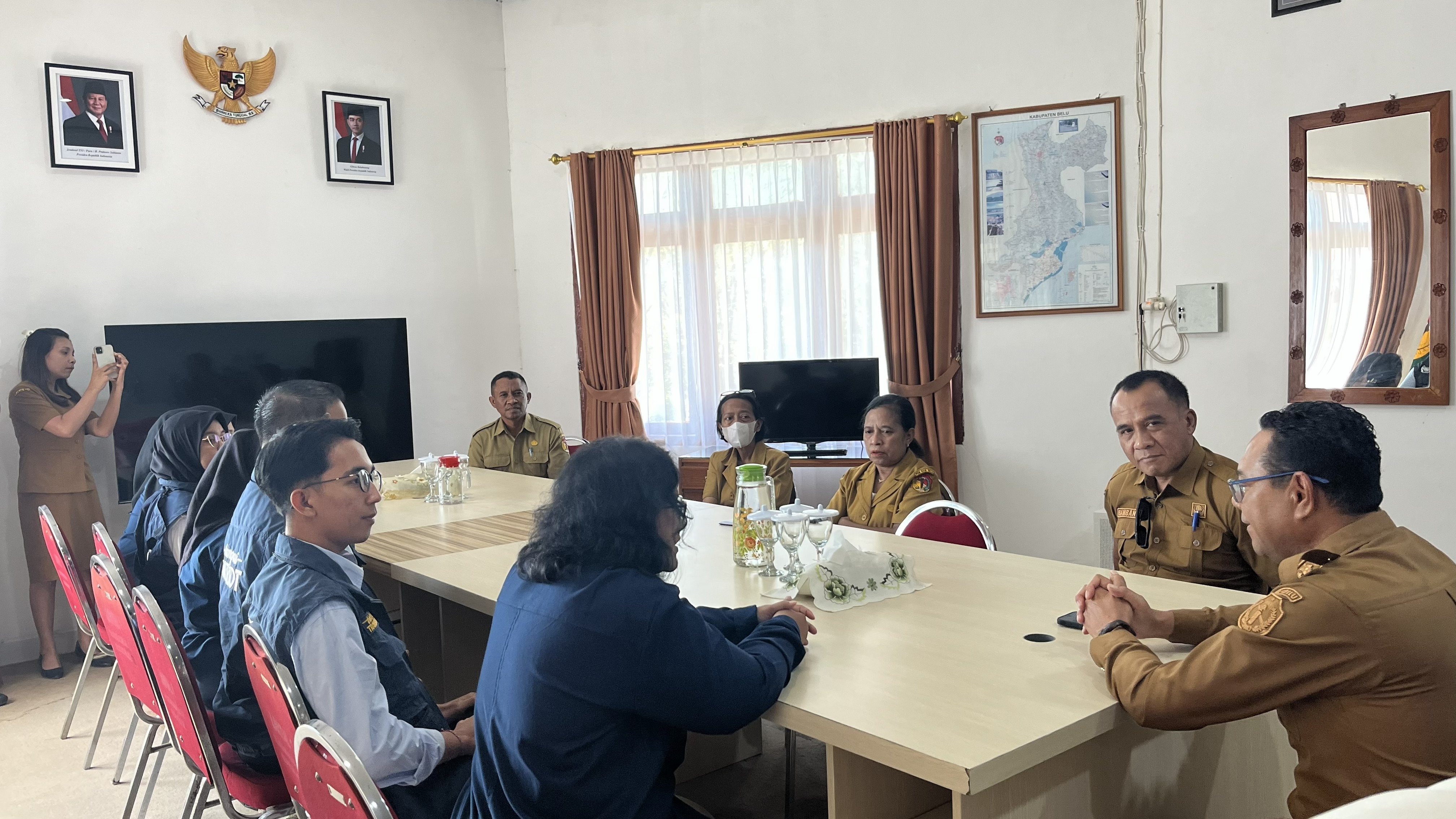
As a commitment to regional equality, the Patriot Expedition Team (TEP) of the Sepuluh Nopember Institute of Technology (ITS) in Belu, East Nusa Tenggara (NTT) opened an audience with the Deputy Regent of Belu, Vicente Hornai Gonsalves ST. Team leader Prof. IDAA Warmadewanthi ST MT PhD led the discussion which also involved the Head of the Cooperatives, Manpower, and Transmigration Office of Belu Regency.
Warma explained that through this meeting, the team sought to strengthen coordination and align program direction. This was done to support regional and community development.
The ongoing collaboration is also strengthened by the involvement of experts from various ITS scientific fields, including experts in Civil Engineering, Geology and Geomatics, Urban and Regional Planning, and Chemistry. “This involvement is part of our team’s approach to comprehensively mapping the potential and challenges of the transmigration area,” Warma explained.
TEP ITS’s multidisciplinary approach aims to provide a more comprehensive picture of the region. The diverse expertise within the team allows for an integrated assessment of various development aspects. “This is because it’s crucial for us to understand the conditions and needs of the region before conducting further studies in the field,” explained Warma.
Input from local governments is crucial in implementing the expedition. Information on regional conditions, communities, infrastructure, and local potential can help TEP ITS determine a study approach that best suits the region’s characteristics and community needs.
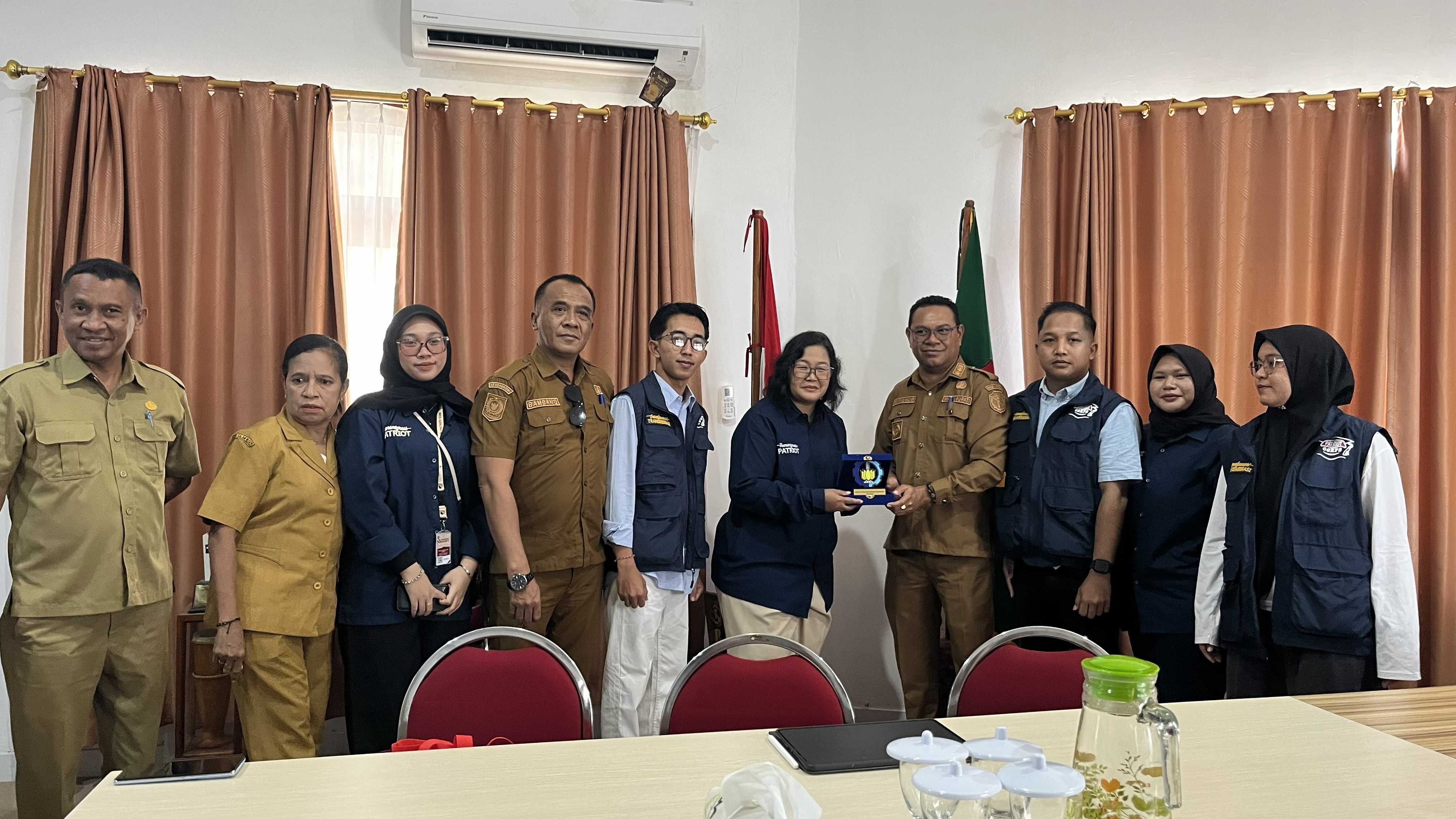
Presentation of the ITS Plaque by Prof. Warma to the Deputy Regent
According to Vicente, the involvement of universities in the development process can provide additional perspectives through scientifically based studies and approaches. Expert recommendations can support the development direction of transmigration areas in Belu Regency. “The collaboration must make a real contribution to the development and advancement of transmigration areas,” Vicente emphasized.
Collaboration with the Belu Regency Government is also crucial to ensuring the smooth running of ITS TEP activities. Local government support is expected to strengthen coordination between the team, regional officials, village governments, and the community.
In addition to identifying various issues, the ITS TEP also seeks to identify potential areas that can be developed as regional strengths. This approach is expected to yield recommendations that are not solely focused on problem-solving. The team aims to encourage the development of productive and long-term sustainable transmigration areas.
These efforts align with the Sustainable Development Goals (SDGs), particularly point 9 on Industry, Innovation, and Infrastructure. Furthermore, they contribute to the realization of SDG point 11 on Sustainable Cities and Human Settlements, and point 17 on Partnerships to Achieve the Goals. (*)