Terbit pada
Kamis, 22 Oktober 2026
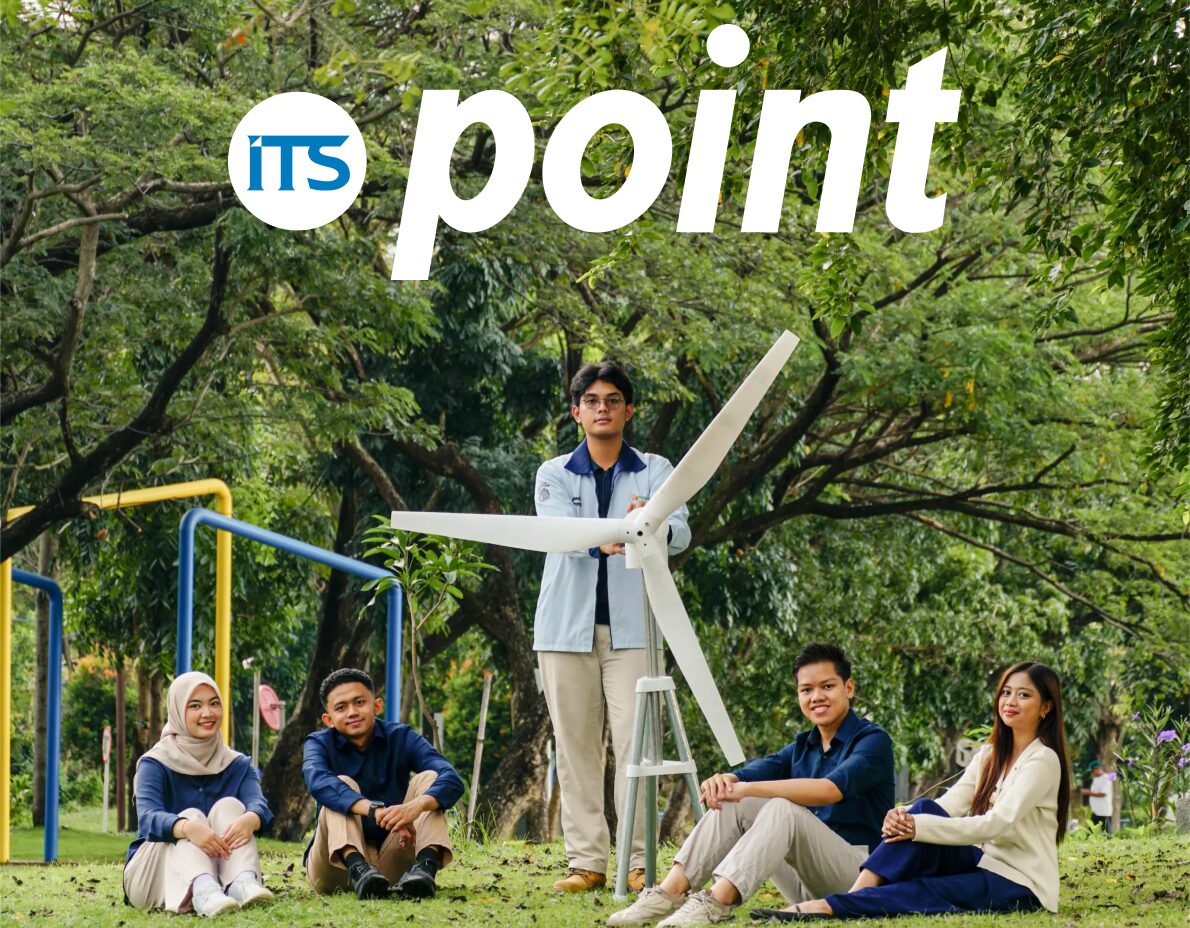
Kampus ITS, ITS News — As technological transformation continues to reshape the world, Institut Teknologi Sepuluh Nopember (ITS) is strengthening its role in advancing Indonesia’s technological self-reliance. Through research and innovation, the Campus of Heroes continues to develop solutions that respond to the needs of society, industry, and the nation. This direction is reflected in ITS Point XXII, which highlights the university’s strategic contribution to national development.
Aligned with the ITS Strategic Plan 2026–2030 and the RAISE framework, the edition presents a range of initiatives across strategic sectors, particularly energy, food, and green industry. Beyond academic achievement, ITS positions research and innovation as instruments for addressing national challenges, strengthening industrial competitiveness, and supporting sustainable development.
Through its Strategic Plan 2026–2030, ITS has charted a five-year course toward becoming a Global Impact University, with the ambition of delivering broader benefits to society, industry, and national development. At the core of this transformation is the RAISE framework—Relevance, Academic Excellence, Innovation, Sustainability, and Efficiency—which serves as the institution’s compass for strengthening research and accelerating technology downstreaming.
Rector of ITS, Prof Dr (HC) Ir Bambang Pramujati ST MScEng PhD, emphasized that RAISE focuses on strategic sectors such as food security, energy self-reliance, and maritime technology. ITS therefore encourages researchers to involve industry, government, communities, and the public from the earliest stages of problem identification.
Recognizing that technological advancement depends on capable people, ITS strengthens its human resources through doctoral advancement, research mentoring, competency development, and initiatives such as ITSprovement. These efforts are closely tied to improving research quality and international visibility, with the h-index serving as an indicator of both publication impact and research quality.
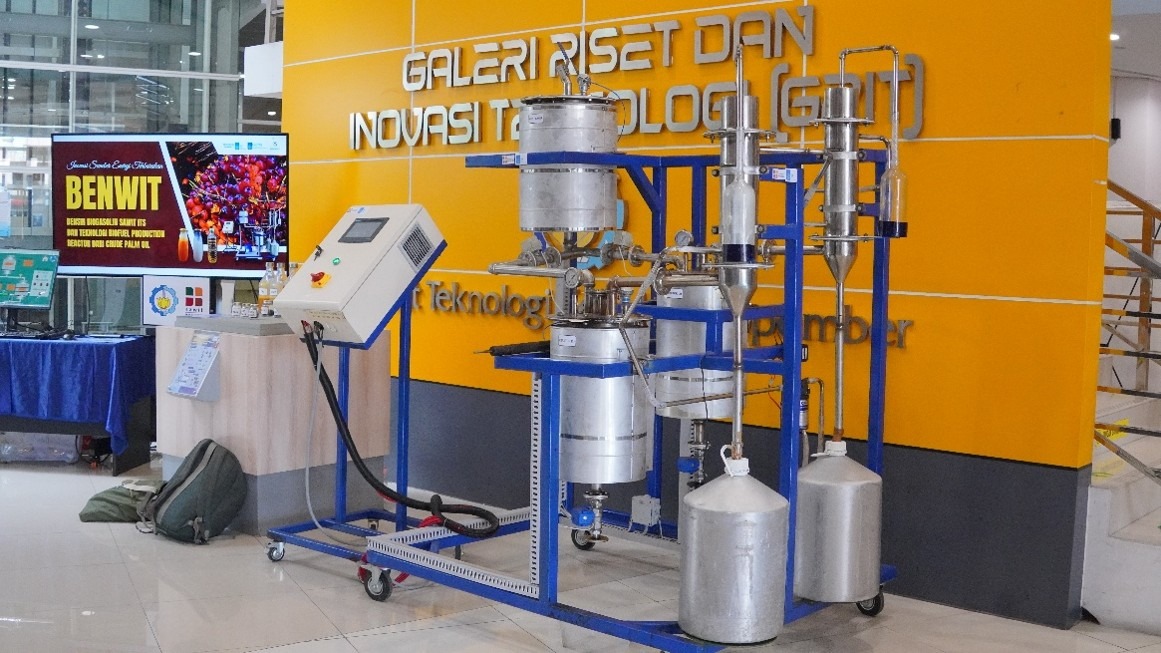
Amid rising energy demand, ITS strengthens its research ecosystem through strategic study centers under DRPM, focusing on technologies that harness Indonesia’s local potential. Research includes advanced materials and nanotechnology for solar cells, hydrogen catalysts, fuel cells, EV batteries, and fuel conversion, supported by cleanroom development for semiconductor fabrication. Meanwhile, appropriate technology research produces practical solutions such as the floating Traktor Boat for peatlands and Supersun, a modular solar generator for coastal and remote island communities.
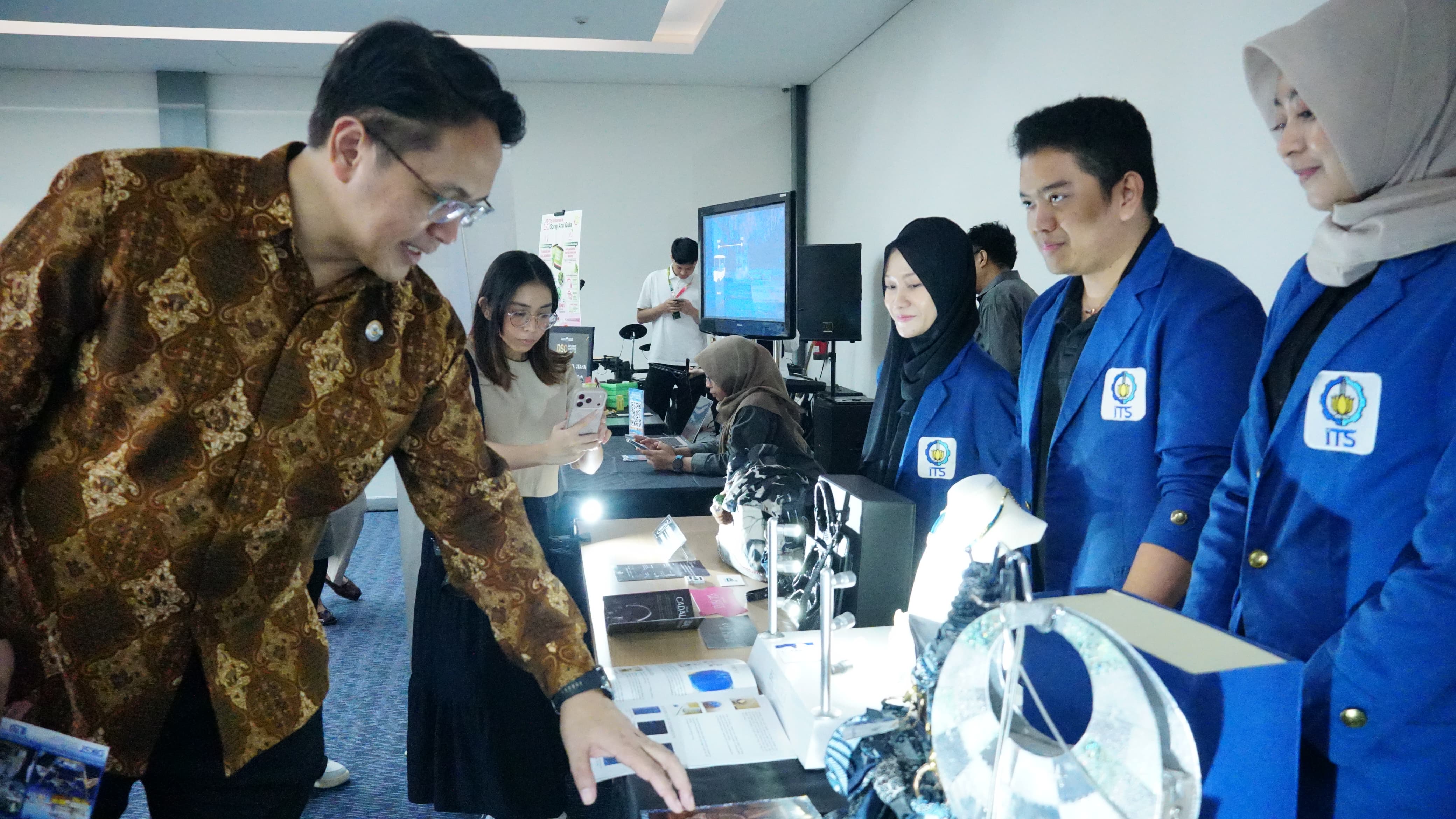
To bridge the gap between research and industrial application, ITS has strengthened the Science Techno Park (STP) into an integrated ecosystem connecting academics, industry, government, and the public. Now operating as the New STP ITS under the Directorate of Innovation and Science Techno Park (DIKST), the facility is strengthening its governance, infrastructure, and facilities to accelerate research downstreaming and commercialization.
The New STP ITS is organized into four clusters, which is Automotive, Maritime, Creative Industry, and ICT/Robotics, also includes laboratories, development workshops, and testing areas. Its Automotive Cluster is the only STP in Indonesia with a circuit facility for automotive research. Supported by incubation, a Technology Transfer Office (TTO), and the Innovative Business Incubator and Services (ILBI), STP ITS has contributed to technologies such as the mass-produced GESITS electric vehicle and BangkITS electric motorcycle used in rugged regions such as Papua.
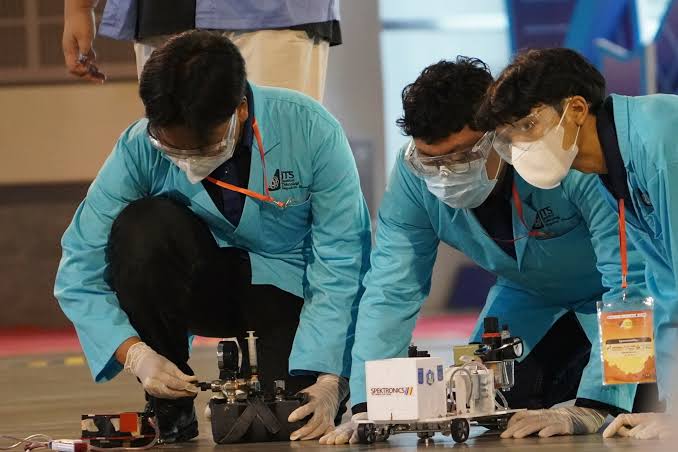
ITS’ growing research ecosystem has strengthened its scholarly output and international standing, with its position among PTNBH universities in top-tier journal publications rising from sixth in 2020 to second in 2024 and 2025, while the proportion of top-tier publications increased from 10 percent to 26 percent. This research culture also drives student innovation through teams such as ITS RIVAL and ITS Spektronics, which develops thematic robots and space exploration rovers and also advances Chem-E-Car technology powered by alternative energy sources.
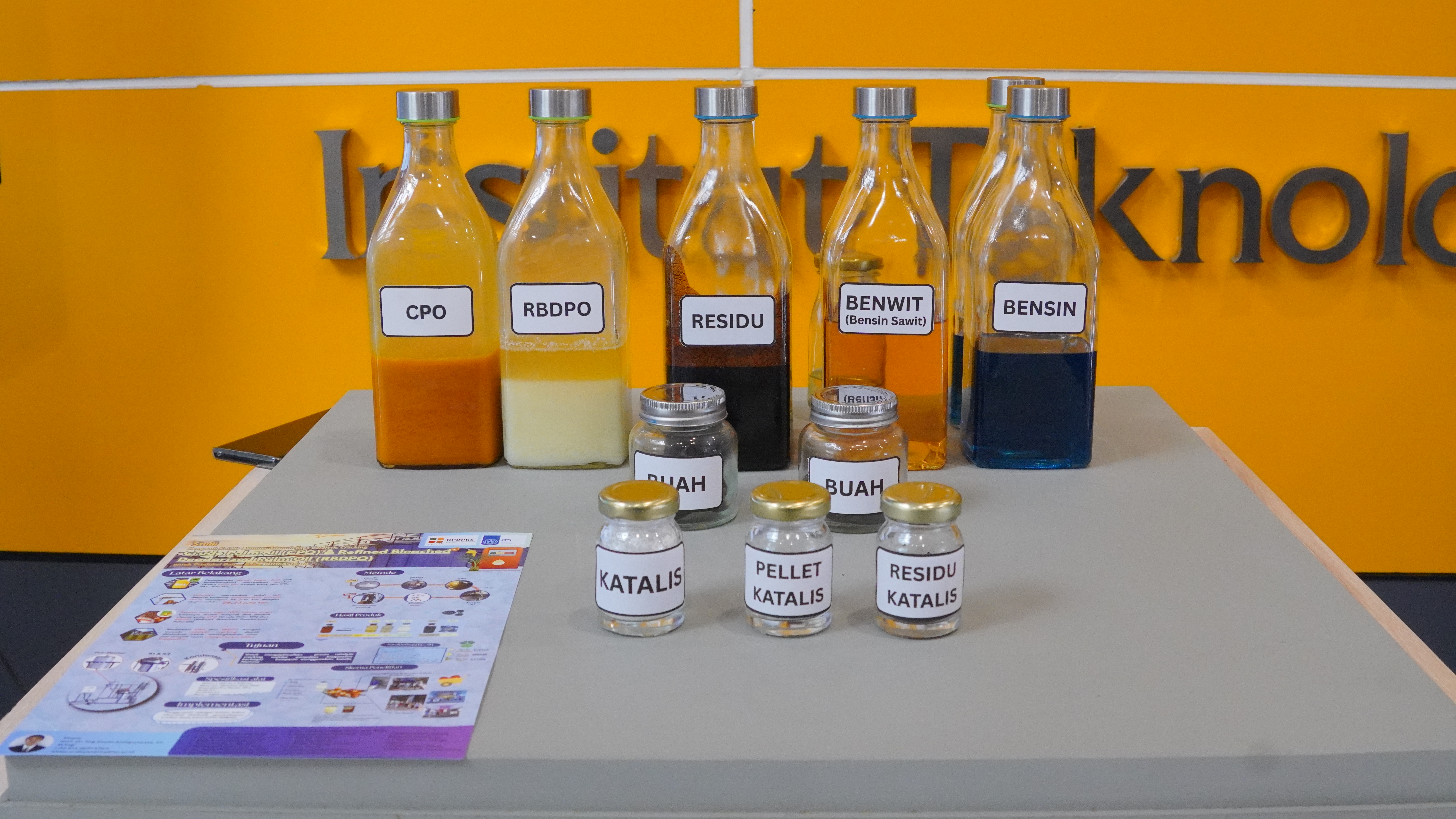
Indonesia’s abundant palm-oil resources have inspired ITS to develop Benwit (Bensin Sawit), a plant-based fuel produced from crude palm oil through fractionation and catalytic cracking. The resulting biogasoline can achieve a conversion yield of around 60 percent at 350°C and has undergone various material and performance tests, including motorcycle trials using a 10 percent Pertalite blend, with a reported RON of 115. ITS plans to expand Benwit production and research while fostering collaboration to support greater national energy self-reliance.

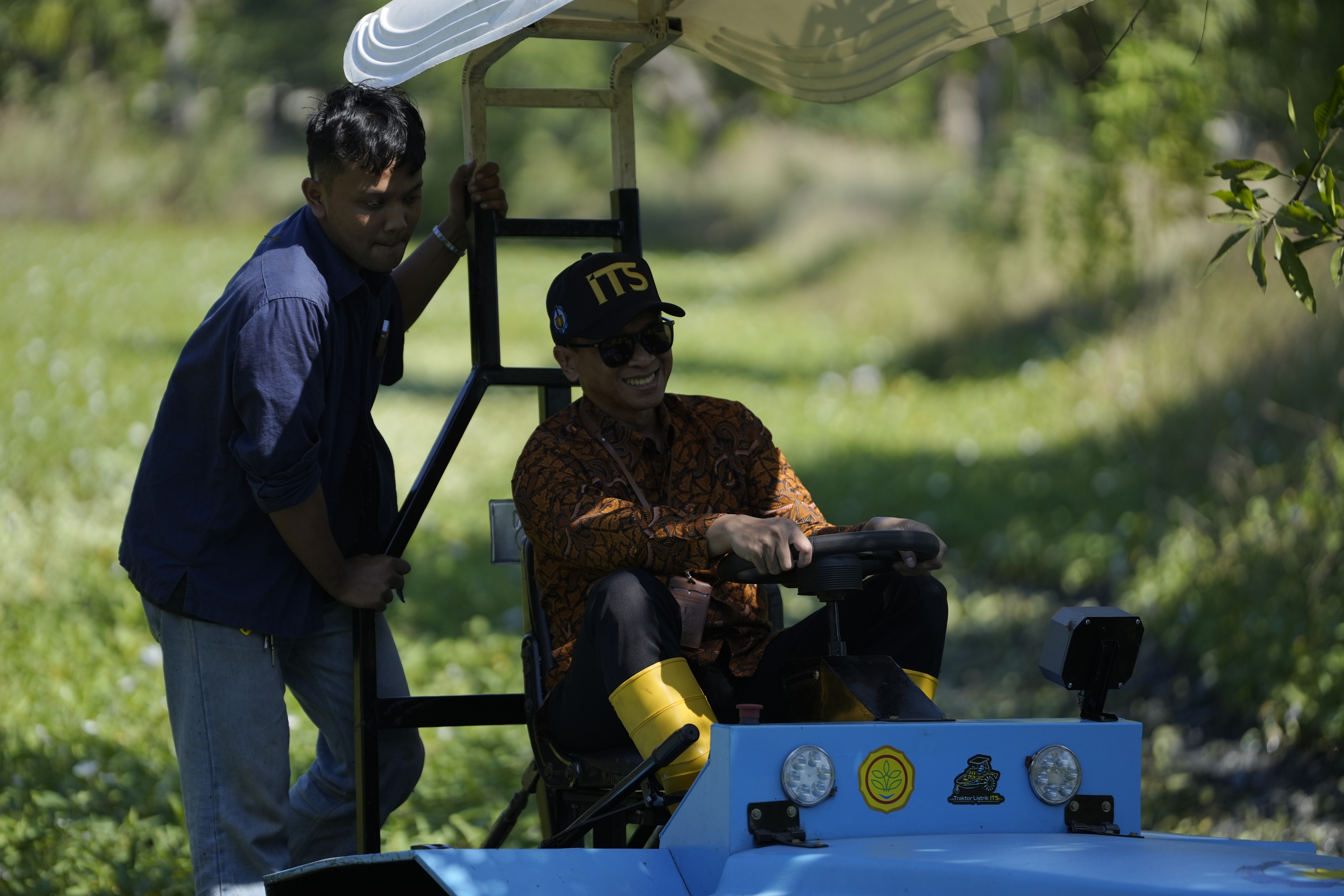
ITS is advancing agricultural innovation through an electric boat tractor and the Moto Climber ITS (MOCITS). Designed for waterlogged and muddy peatland, the electric boat tractor uses a buoyant pontoon-like body, a 10-kilowatt motor with IoT-based monitoring and charging options through PLN electricity or solar power. Meanwhile, MOCITS uses rubber wheels and a flexible articulated arm to climb coconut trees safely, supported by automatic braking and a safety harness, and can increase farmers’ production capacity by up to three times compared with manual climbing.
ITS also contributes through MTE 09, a superior hybrid maize variety developed to address climate-related agricultural challenges. Resistant to downy mildew, stalk rot, and ear rot, with strong stalks that withstand wind, MTE 09 can produce up to 10 tons per hectare and typically develops two ears per plant. Supported by partner companies and the Ministry of Agriculture for commercialization, these innovations aim to improve agricultural productivity and strengthen national food security.
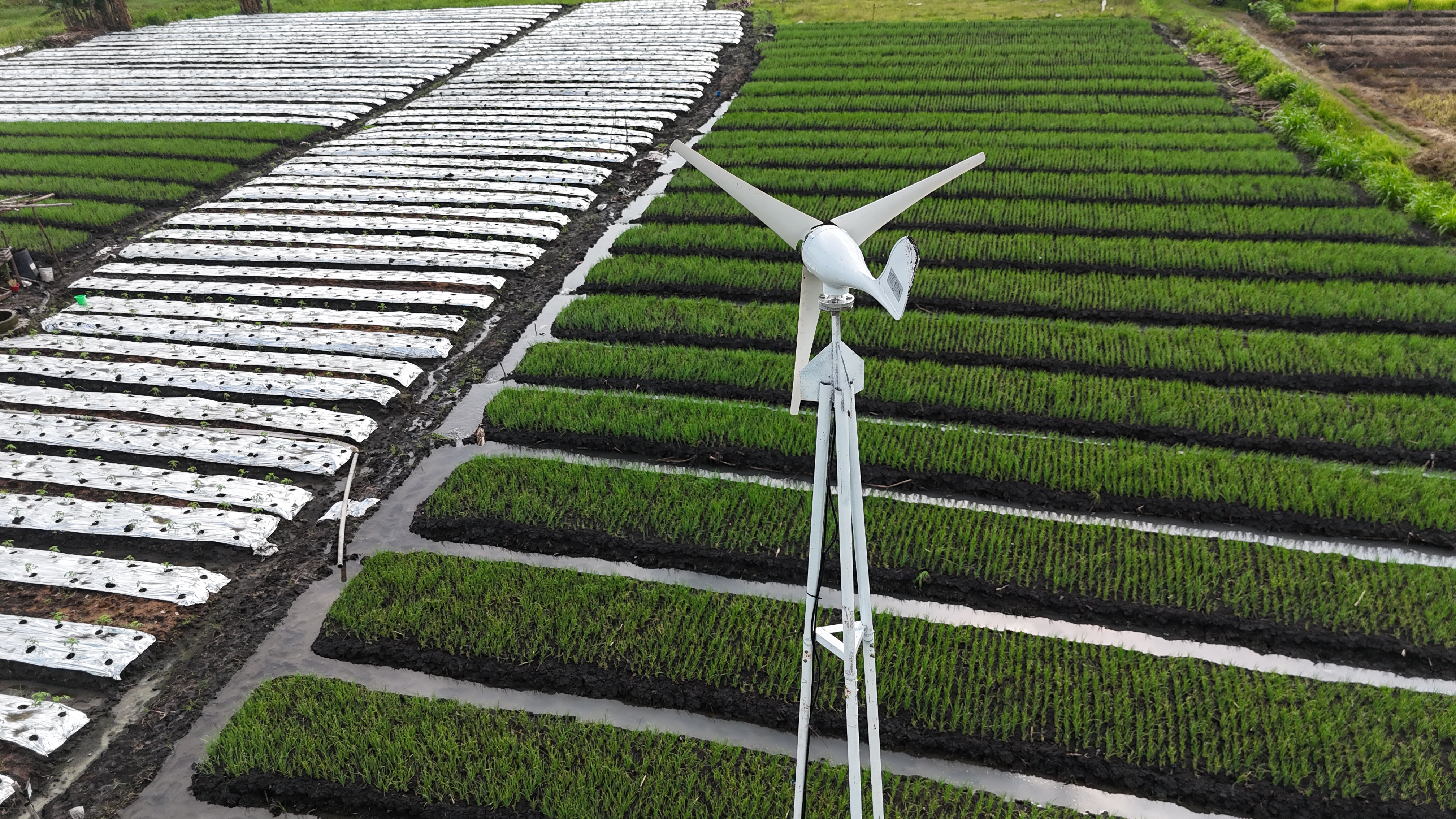
Terangin develops wind-turbine technology that harnesses Nganjuk’s wind potential to support sustainable agriculture, particularly shallot farming. Its nine-meter-tall Wind Turbine Package generates 2.1 kWh of electricity per day and provides night-time lighting that can reduce pest attacks and pesticide use by up to 80 percent, while its movable base and wind brake enhance operational flexibility and safety. The innovation has gained national and international recognition through several startup competitions, including the Fowler Global Social Innovation Challenge 2026 in San Diego.

Responding to the global energy transition and the need for local expertise in natural-resource management, ITS established the Mining Engineering Study Program under the Department of Geomatics Engineering, Faculty of Civil, Planning, and Geo Engineering (F-CIVPLAN). The program aims to prepare professionals who combine technical competence with an awareness of sustainable environmental stewardship.
Its curriculum integrates Digital Mining and Green Sustainable Mining, introducing artificial intelligence and digital autonomous systems from the early stages of study. Elective courses include Deep Learning for Mining, Autonomous Mining Equipment, and Digital-Based Mine Valuation, while students also learn AI-based mining-location mapping, biomass calculation, carbon sequestration estimation, and measurable post-mining rehabilitation. The program has obtained an initial “Good” accreditation rating from LAM Teknik.
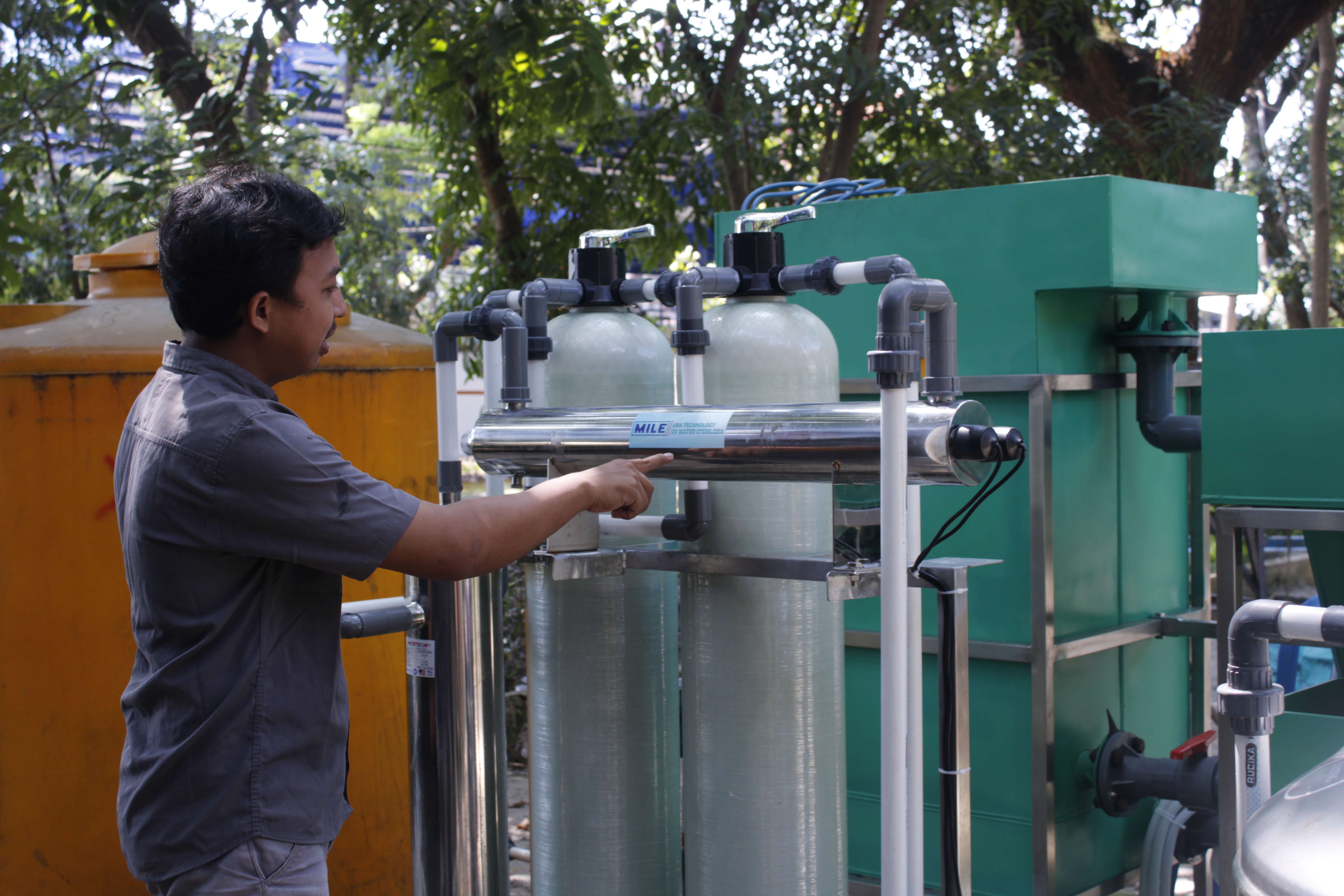
Following flash floods and landslides in several areas of Aceh in late 2025, ITS responded by deploying a clean-water installation to help communities facing limited access to safe water. Developed using electrocoagulation, the system employs electrically charged electrode plates to precipitate impurities without chemical additives, complemented by fine-particle filtration and ultraviolet technology to eliminate pathogenic bacteria. The installation can produce 2,000 liters of clean water per hour and was deployed at Pesantren Raudhatul Mukarramah Al Aziziyah in Pidie Jaya Regency, Aceh.
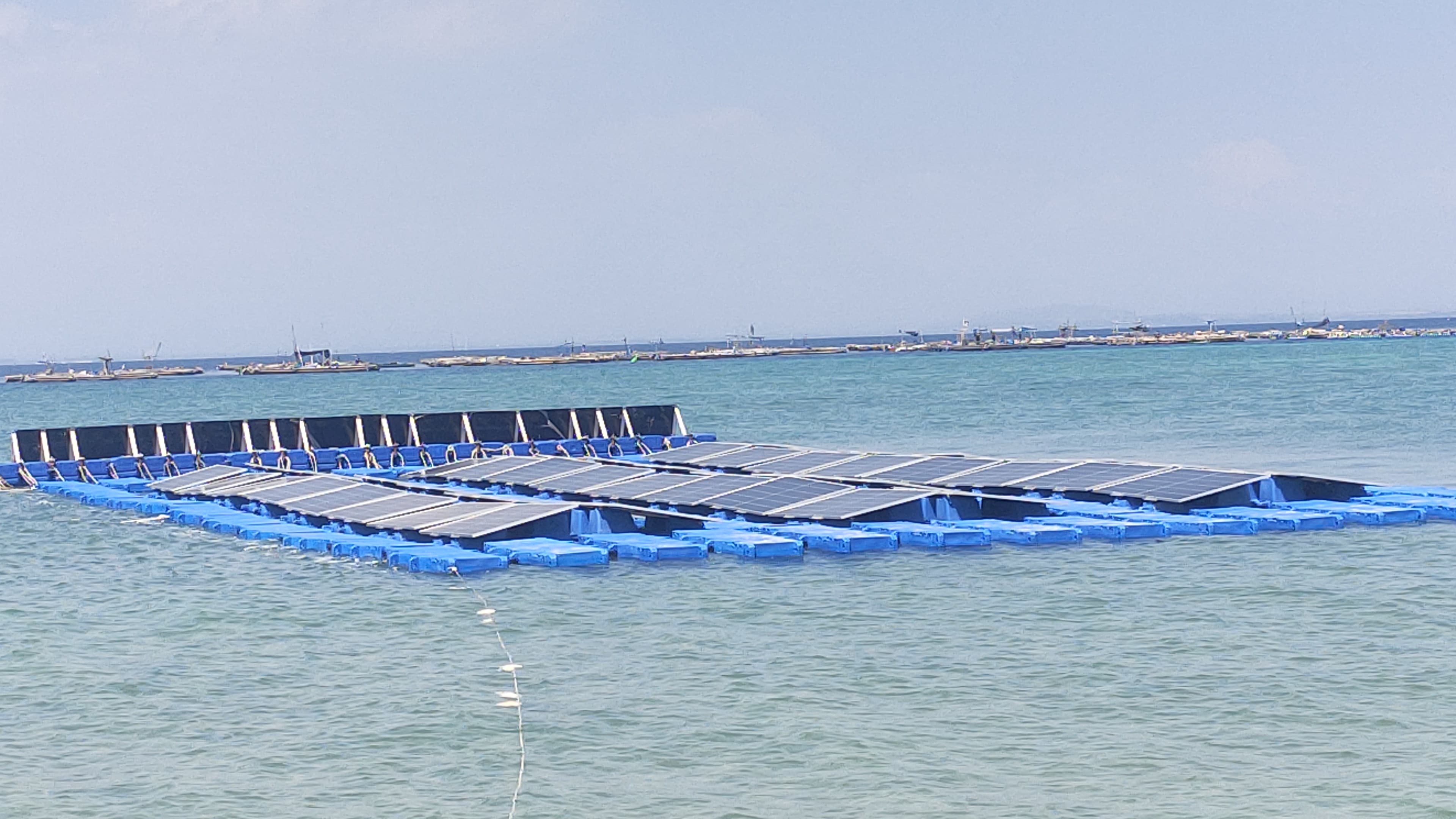
ITS developed Solar2Wave, a 25-kilowatt floating solar power system designed for marine environments, combining floating solar panels, a breakwater system, and battery storage to withstand waves. Implemented in Gili Ketapang, the technology powers an ice-making machine producing around 50 ice blocks for local fishers, while community assistance in operations, maintenance, and financial management supports its sustainability and potential expansion to other diesel-dependent islands.
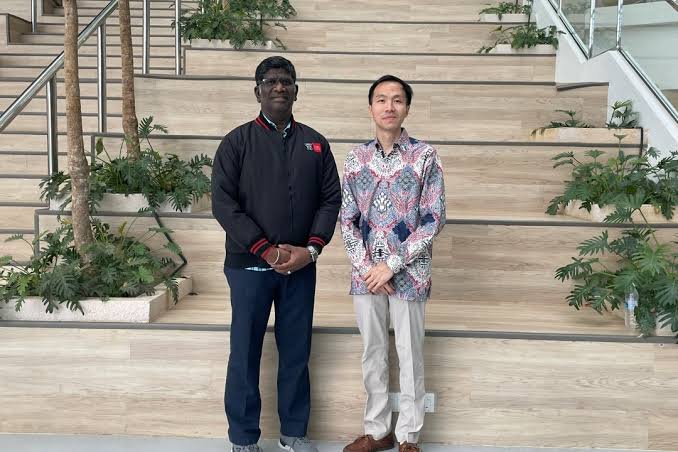
Prof Jaka Sunarso, an ITS Chemical Engineering alumnus and Director of the Research Centre for Sustainable Technologies at Swinburne University of Technology, focuses on batteries, fuel cells, membranes, biorefinery, and process modelling, particularly for energy challenges in Indonesia and Malaysia. With 9,220 citations and an h-index of 46, he continues to collaborate with Indonesian researchers and institutions, including BRIN, while advancing research toward testing, industrial collaboration, and practical implementation.
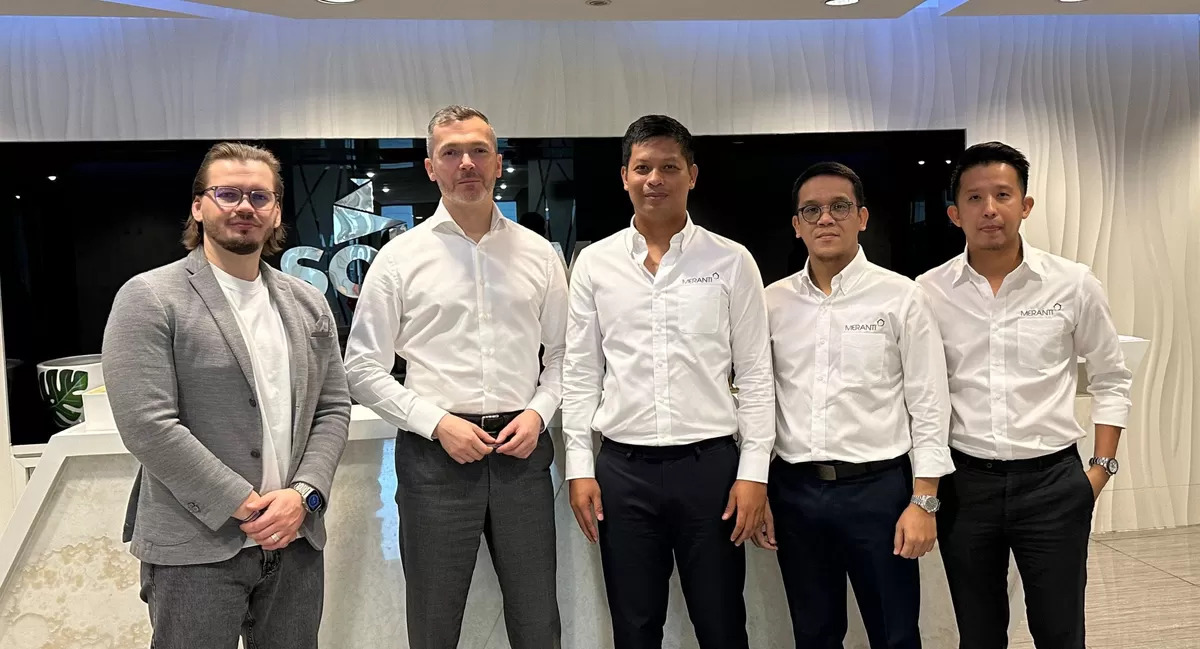
For Herryan Syahputra ST MT, the Javanese expression gelem soro—the willingness to work hard and endure difficulties—has accompanied his professional journey from ITS to the mining industry. As the President Director of PT Tambang Meranti Mulia Sejahtera (TMMS), Herryan has helped develop the company from its early stages. Today, TMMS focuses on nickel mining projects across Sulawesi and serves clients from South Korea, Switzerland, and China.
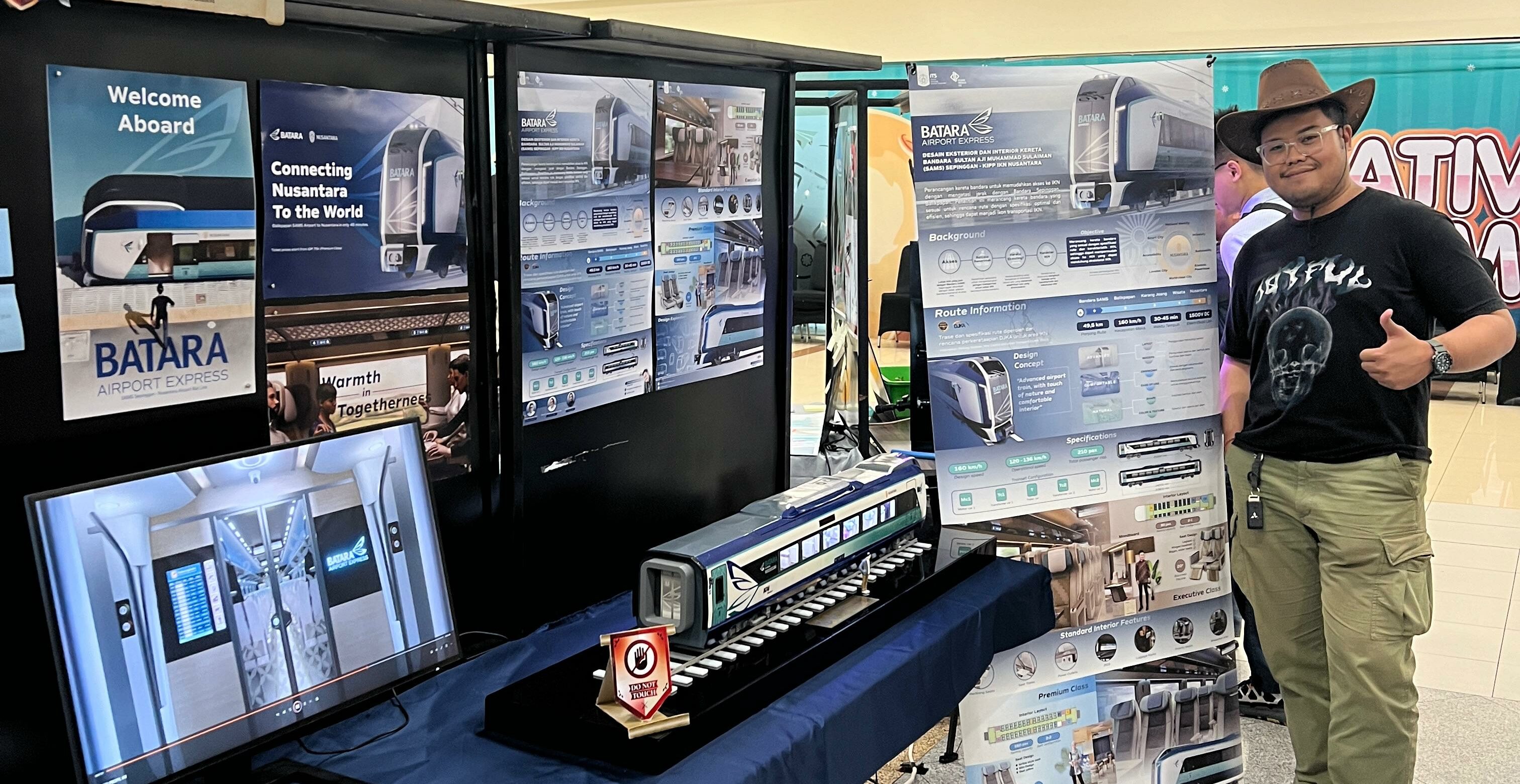
Inspired by the need for improved access to the Nusantara Capital City (IKN), I Putu Dewangga Bayu Mahesa SDs, known as Angga, developed the Batara Airport Express as a futuristic airport-train concept. The design responds to the absence of a commercial airport in IKN, requiring visitors to arrive through Sultan Aji Muhammad Sulaiman, Sepinggan Airport in Balikpapan. Angga therefore considered storage space, accessibility, seating comfort, and passenger flow in creating a transportation concept suited to travelers carrying luggage.
Taken together, the stories in this edition reflect ITS’ continued commitment to strengthening Indonesia’s technological self-reliance through research, innovation, and collaboration. From renewable energy and food security to sustainable mining, transportation, education, and disaster response, each initiative demonstrates how knowledge and technology can be transformed into solutions that respond to real needs and create tangible benefits for society.
As ITS moves forward with its Strategic Plan 2026–2030 and the ambition of becoming a Global Impact University, the journey toward technological self-reliance remains a collective effort. By nurturing capable human resources, strengthening research ecosystems, fostering collaboration, and bringing innovation closer to society, ITS continues to advance not only as a center of technological excellence, but also as a driving force for Indonesia’s sustainable and independent future. (HUMAS ITS)