Published on
Thursday, 6 August 2026
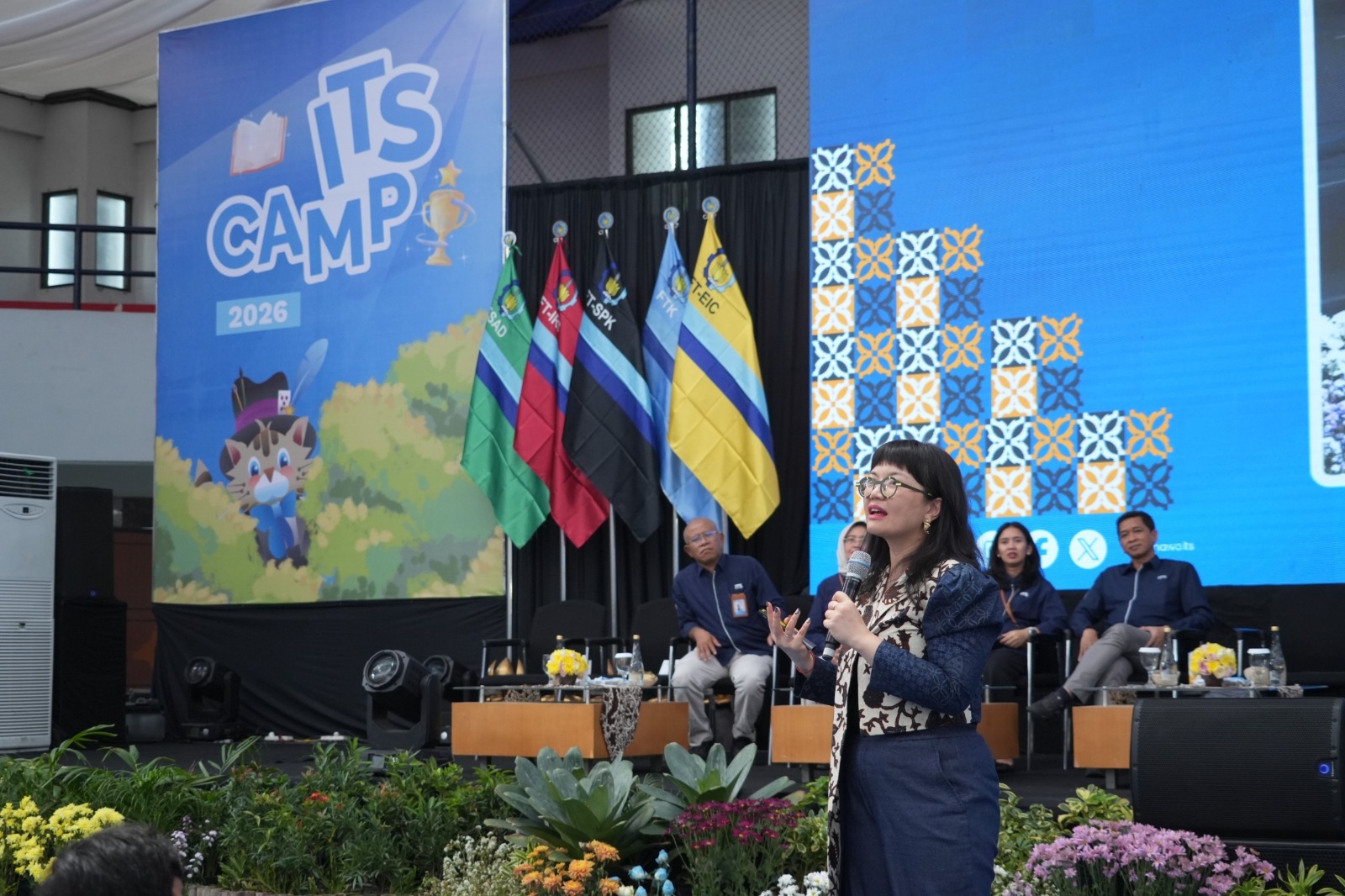
ITS Campus, ITS News — Indonesian Deputy Minister of Higher Education, Science, and Technology (Wamen Diktisaintek) Prof. Stella Christie PhD encouraged new students of the Sepuluh Nopember Institute of Technology (ITS) to think critically amidst the current era of artificial intelligence (AI) technology euphoria. She delivered the presentation before thousands of participants of the 2026 ITS Introduction to Campus Life for New Students (PKKMB) at the ITS Pertamina Sports Hall on Wednesday (5/8).
Stella encouraged students to examine the AI phenomenon from a sustainability perspective. She compared the development of AI to the economic bubble that occurred in the Dutch tulip trade and the dot-com bubble of the late 19th century.
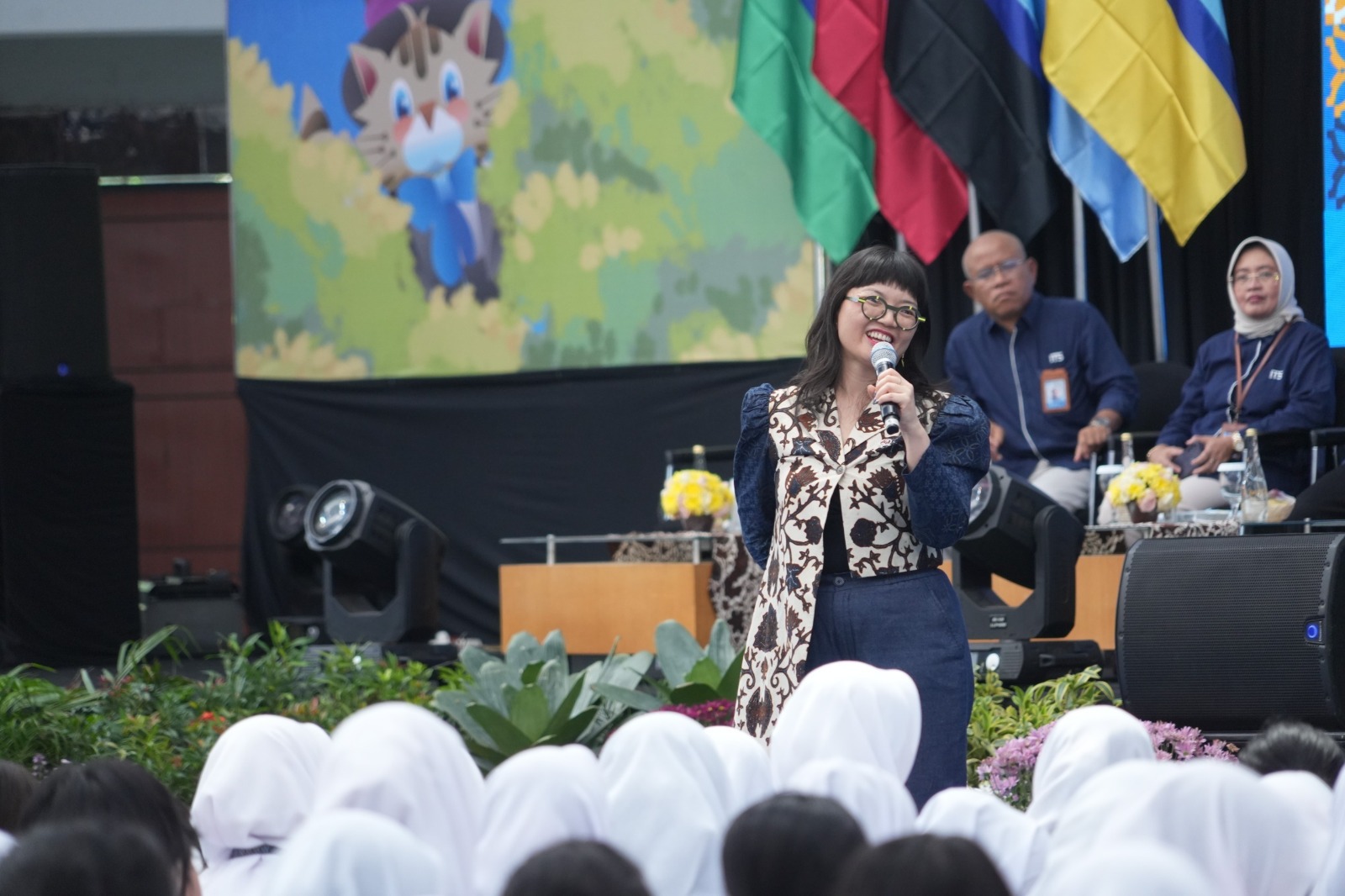
According to her, the euphoria surrounding a particular technology needs to be addressed critically to prevent the public from becoming trapped in excessive optimism. “Now, almost all problems are being solved by AI, and this could be a worthy indicator of a technology bubble that could burst at any time,” explained the bespectacled woman.
The professor from Tsinghua University, China, emphasized that the analysis wasn’t intended to belittle AI, but rather to encourage students to think more deeply about its impact. Furthermore, she highlighted the vast, yet largely unknown, resource requirements of AI. “AI data centers require enormous amounts of electricity and water to run computing processes, which are also expected to continue to increase,” Stella explained.
Furthermore, Stella explained that the energy and water requirements to support AI data centers are equivalent to those used in large countries. She believes this situation should be taken into consideration before society adopts AI on a large scale. “Therefore, I remind you that we must consider whether the benefits of AI are worth the resources sacrificed,” Stella cautioned.
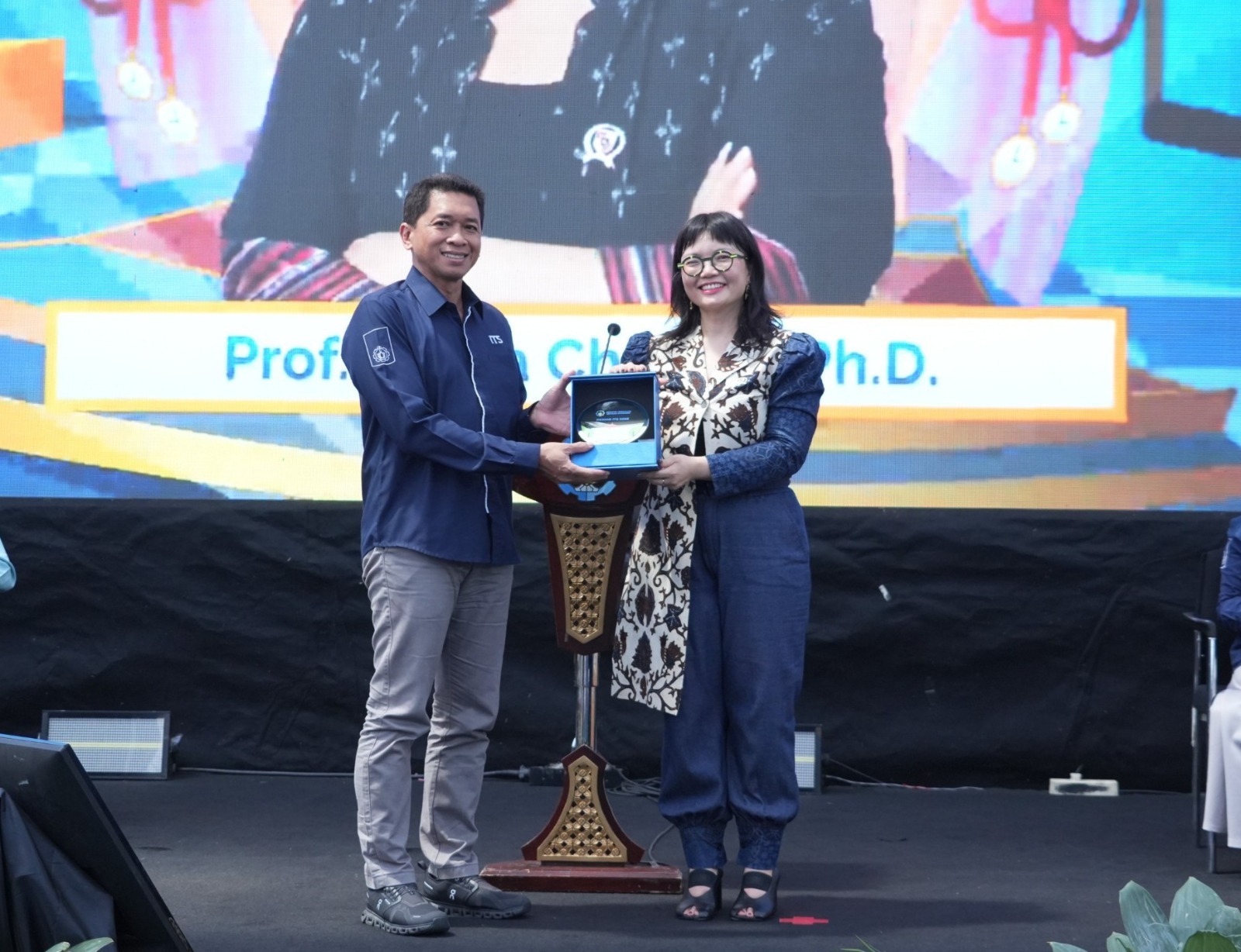
The accelerating expansion of AI’s capacity has triggered a global dilemma regarding energy sustainability. It questions whether the world can sustain massive AI operations without sacrificing vital human needs. This phenomenon demands that students and academics take a critical stance, not merely as technology spokespersons, but also as understanding the limitations and real-world impacts of massive AI adoption.
Meanwhile, the threat of human replacement by AI is real in various aspects of life. The threat of AI even affects computer science graduates, previously considered the safest, due to AI coding skills, which are considered far more efficient and affordable by companies. “Therefore, the success and value of college are no longer measured by diplomas, but by the individual’s true abilities, so that they cannot be replaced by AI,” explained the Professor of Cognitive Intelligence.
To remain relevant in the AI era, Stella emphasized that universities must rely on three main pillars: knowledge creation , knowledge transmission , and knowledge curation . Stella emphasized that the primary task of universities is not simply to be a place for instant accumulation of facts, but rather to train critical thinking, analysis, and the ability to create new things that machines cannot.
AI is known to have instant access to all the world’s data and facts. However, in reality, AI lacks the ability to select or curate information that is truly meaningful and useful. “This knowledge curation is what differentiates humans from AI, and academics are tasked with distilling the essence of truth that is most valuable to civilization,” said Stella.
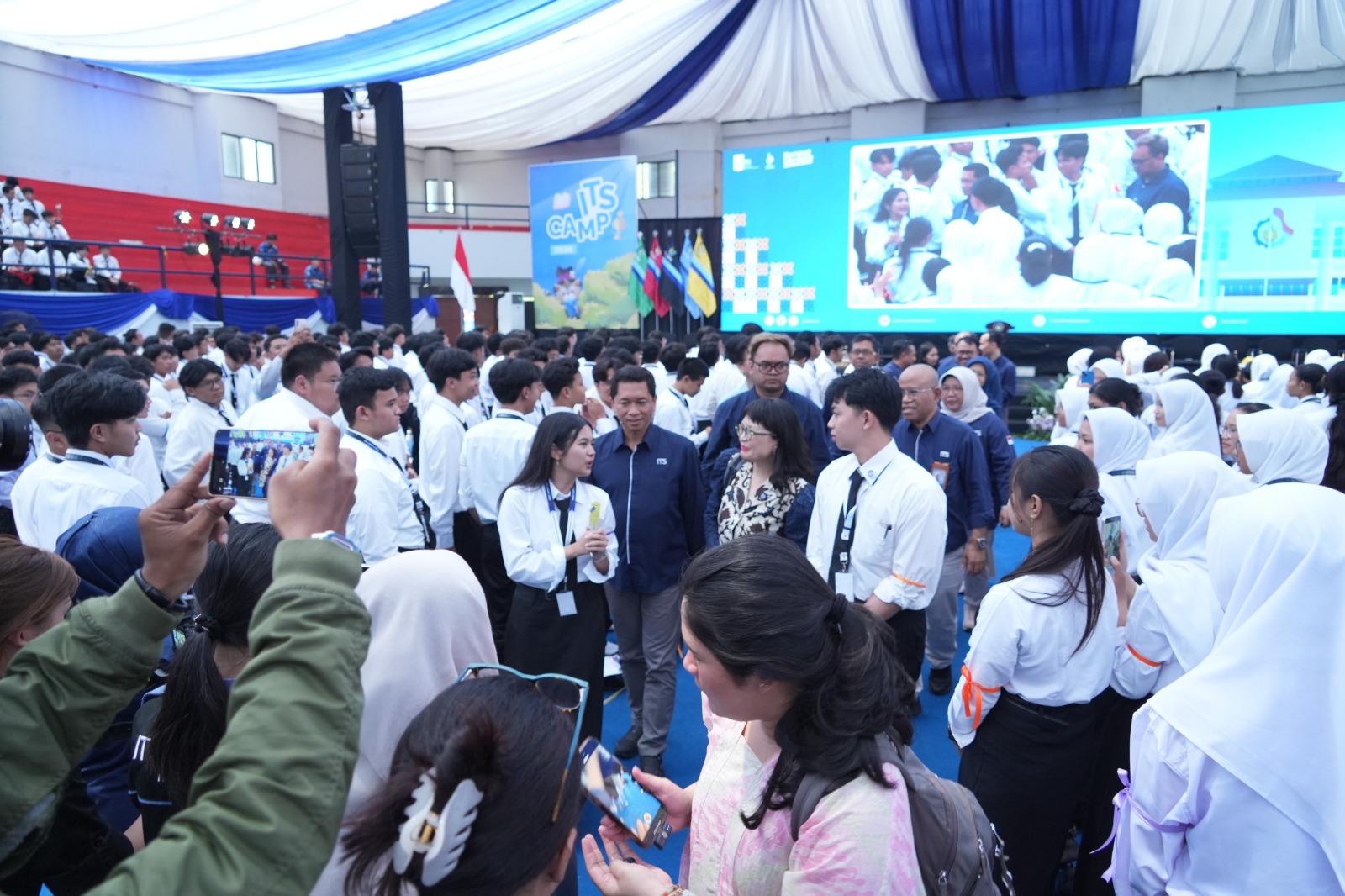
In this AI era, students are encouraged to focus on maximizing their learning process while on campus, particularly by balancing their input and effort to produce superior output.
Stella explained that the campus is designed to foster mental readiness, professional networks, and analytical acumen that cannot be replicated by computer algorithms. Collective experiences, interactive discussions, and hands-on collaboration within the campus environment provide essential humanistic value in developing a competent workforce.
Ultimately, the future of successful graduates in the AI era will be determined by their ability to optimize their potential, master the art of knowledge curation, and present creative solutions that have a real impact on national progress. This can begin by equipping themselves with critical thinking skills. “Therefore, ITS students are expected to become resilient, innovative individuals who are irreplaceable by technological advances,” Stella concluded.
The presentation of material related to the euphoria of technologies like AI also demands that universities create quality education, in line with point 4 of the Sustainable Development Goals (SDGs). Furthermore, it encourages students to improve their skills to remain competitive with artificial intelligence, thus creating decent jobs and economic growth in line with point 8 of the SDGs. (ITS Public Relations)
Reporter: Syifa Rahmadina