

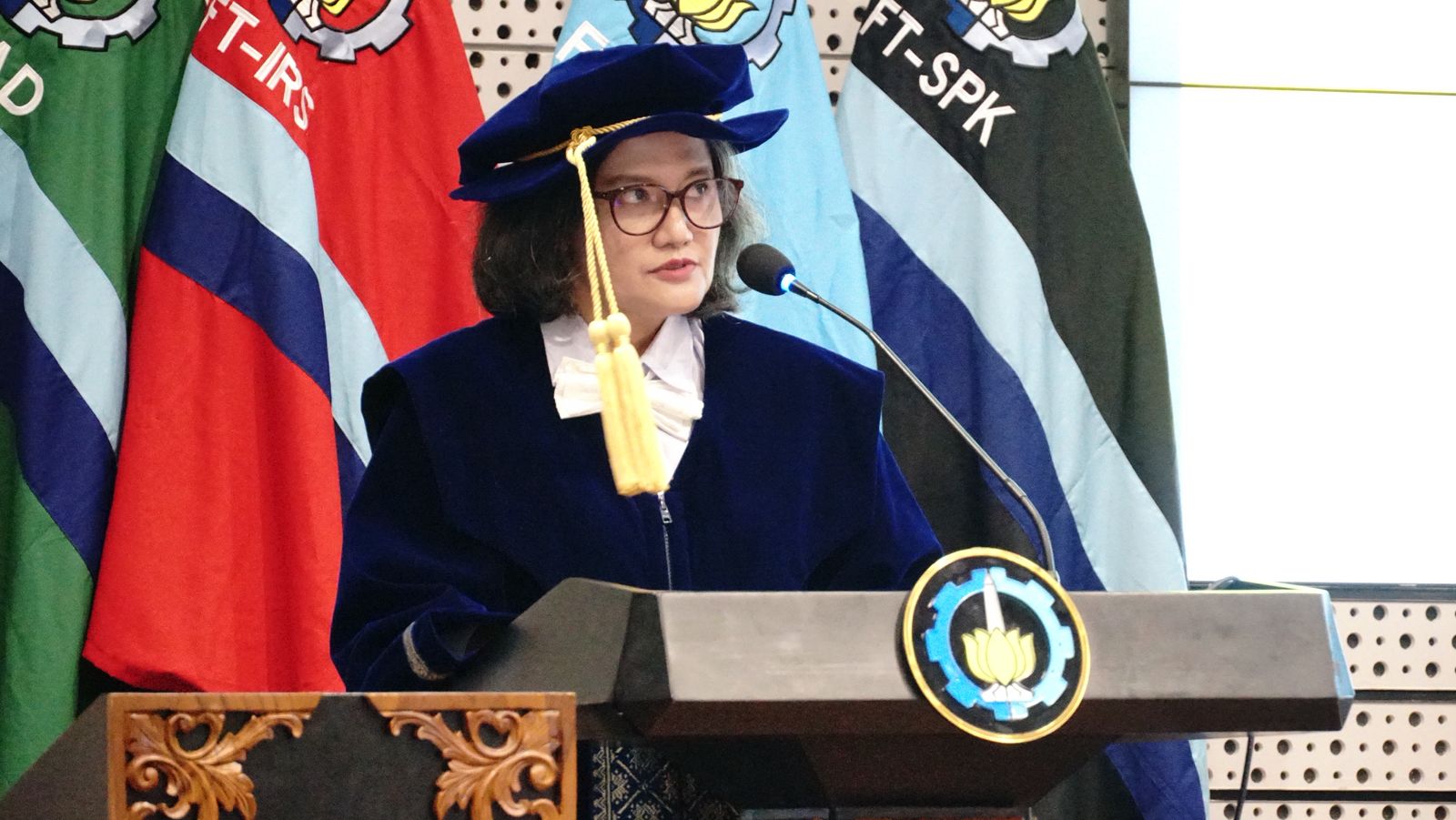
ITS Campus, ITS News — Green energy has become essential for innovation in creating a sustainable future. In support of this, the 237th Full Professor at the Institut Teknologi Sepuluh Nopember (ITS) Prof Dr-Ing Doty Dewi Risanti ST MT, has introduced an environmentally friendly energy solution that converts aluminum waste into electricity.
The Professor from the Department of Physics Engineering at ITS noted that conventional energy sources have caused significant ecological damage. Furthermore, reliance on primary raw materials leads to resource depletion and generates massive amounts of industrial waste, with recycling processes that are not yet fully optimized. “Suboptimal recycling results in a decline in material quality that could otherwise be managed more effectively,” she explained during her inaugural lecture as a professor.
Starting from this premise, using a physicometallurgical process, Doty converts aluminum waste into hydrogen gas to generate electricity more effectively and efficiently. The woman, who was born in 1974, offers an energy alternative capable of supporting a closed energy cycle based on the principles of the circular economy. “This ensures that reusing materials does not reduce their quality and can even improve it,” she added.
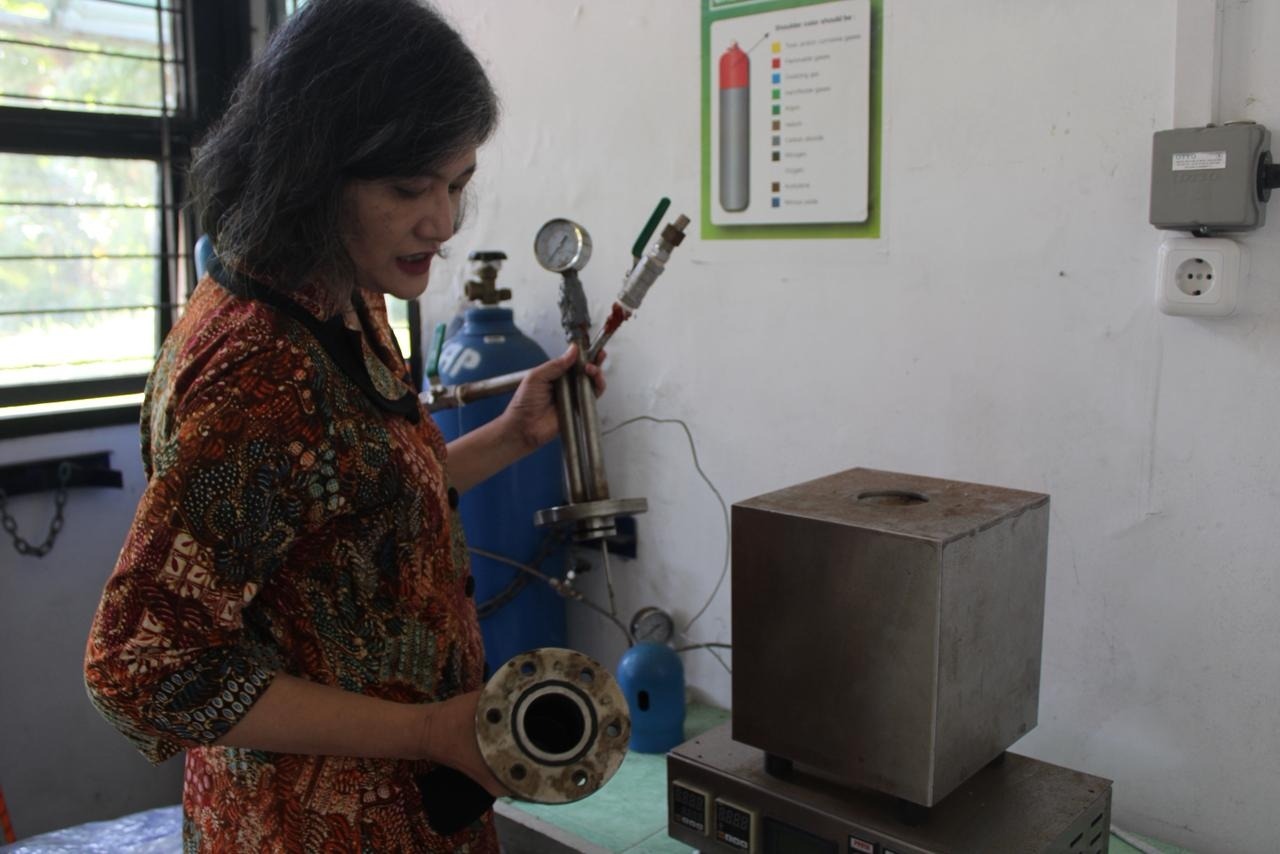
Furthermore, aluminum was specifically chosen as a raw material due to its potential as an energy source. This material has high volumetric energy density, is widely available on a global scale, and can be continuously recycled. According to Doty, Indonesia has the potential to transition from a simple melting-based recycling system to an advanced circular recycling process by utilizing the trace elements from the metals to be melted.
The simple melting process means that not all waste is processed. As an alternative, the unprocessed waste can be utilized as an energy source. The doctoral graduate from RWTH Aachen University in Germany explained that the main principle behind this process is the reaction between aluminum and water to produce hydrogen gas. However, the challenge lies in the natural passive oxide layer of alumina, which must be broken down to release energy.
Generally, according to Doty, the strategies used to address this issue include the use of alkali catalysts and other catalysts, preliminary treatment via milling or rolling, sonication, and simple chemical surface treatments. However, these methods have not yet been able to achieve production efficiency close to 100 percent or maintain a stable hydrogen flow. To solve this, Doty made a breakthrough by focusing on the thermodynamics of the process, aluminum surface modification, and reaction process control.
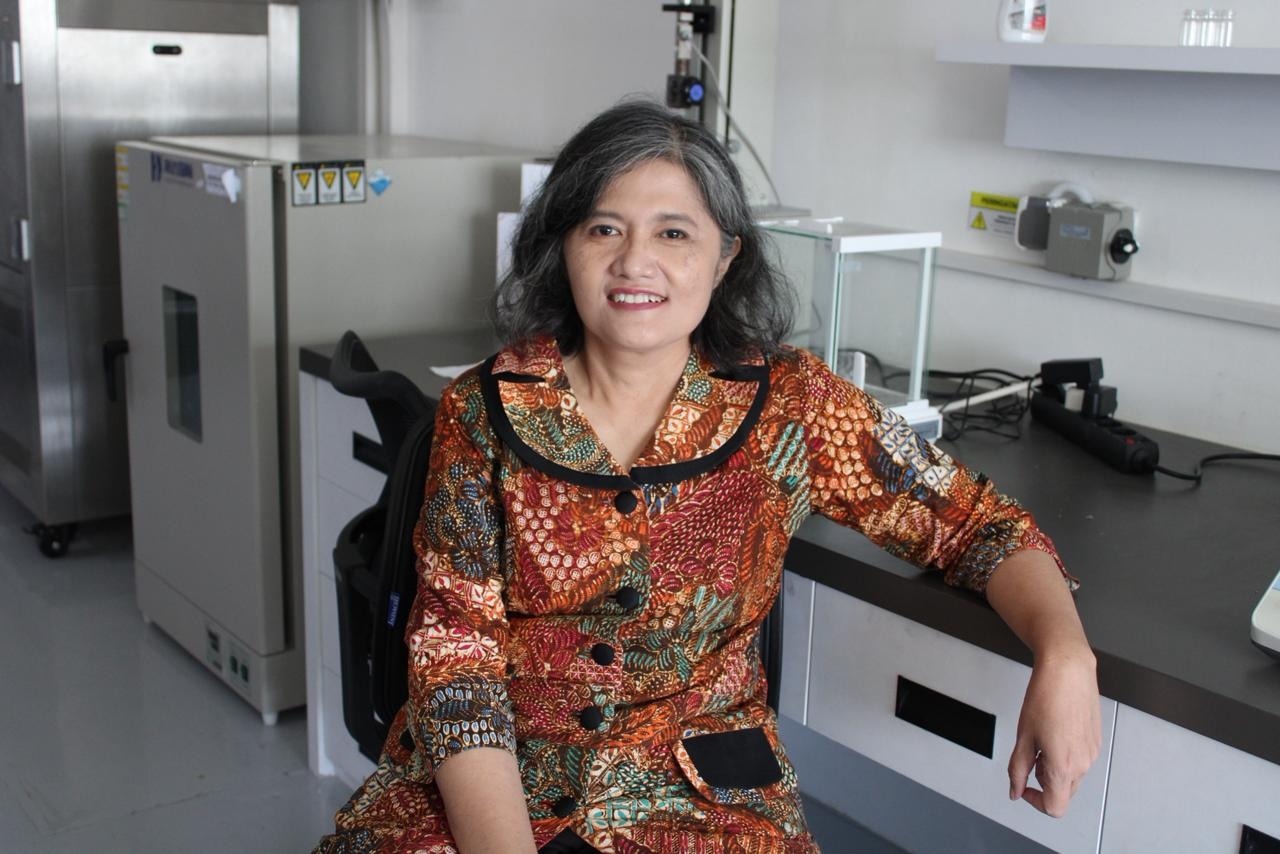
In this research, the thermodynamics of the process were modeled to determine the reaction mechanisms at high temperatures and pressures. The aluminum surface was also modified to prevent excessive damage to the protective oxide layer, thereby enabling the inverse biomimetic lotus effect. “This was done to improve production efficiency,” added the Head of the Advanced Functional Materials Laboratory in the Department of Physics Engineering at ITS.
Moreover, the process control focuses on preventing temperature spikes caused by heat release during the reaction. To prevent these spikes, the national reviewer for the National Student Science Week (Pimnas), who has served in this role since 2020, uses a co-solvent method. “The co-solvent acts as a natural thermal regulator to suppress temperature spikes and maintain stable and controlled hydrogen production,” she explained.
Doty added that this research has involved collaboration with various partners, such as the University of Exeter in the United Kingdom and Petra Christian University in Surabaya. In addition, metal waste processing companies Aeramine Ltd and Gringgo Indonesia, as well as PLN Nusa Power, are also providing support for the future development of this innovation.
Her dedication to developing this energy innovation aligns with the Sustainable Development Goals (SDGs), specifically Goal 7 on Affordable and Clean Energy and Goal 9 on Industry, Innovation, and Infrastructure. Doty hopes that recycling based on the principles of circularity will receive greater attention and be implemented more widely. (ITS Public Relations)
Reporter: Bella Ramadhani