
Published on
Wednesday, 13 May 2026
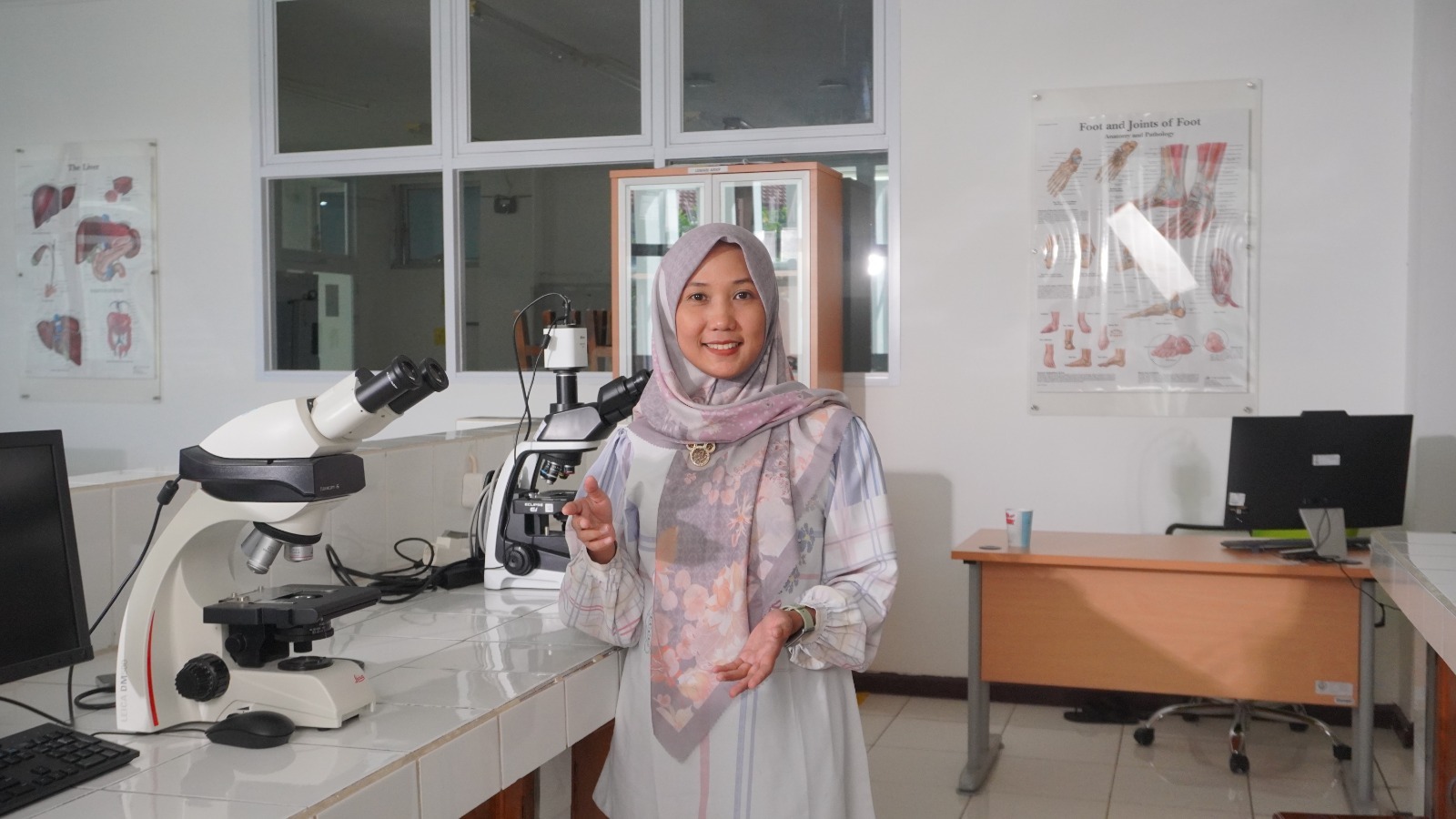
ITS Campus, ITS News — Global concern has arisen over the emergence of hantavirus on the MV Hondius cruise ship. Several passengers on the cruise ship, which sailed from Argentina, reportedly experienced acute respiratory distress. As of May 4, 2026, local time, seven passengers had been identified with mild symptoms, critical symptoms, and even death due to the virus.
In Indonesia, 23 human cases of hantavirus have been identified since 2024. This is nothing new and should be a cause for concern, given the increasing risk of zoonotic diseases amid densely populated areas in several regions. The transmission characteristics and fatality rate cannot be underestimated.
According to Dr. Zulistian Nurul Hidayati, SpPD, a lecturer at the Faculty of Medicine and Health (FKK) at the Sepuluh Nopember Institute of Technology (ITS) , hantavirus has unique but risky transmission characteristics. “Humans can become infected through the air by inhaling particles in rat droppings and also through direct contact with rodents,” she said.
The internal medicine specialist explained that identifying early symptoms of this virus is difficult. This is because initial signs of exposure are quite common, similar to those of the flu. “Therefore, a diagnosis cannot be made solely based on clinical symptoms; supporting diagnostic tests, including laboratory tests, are necessary,” explained Zulistian.

Although initial symptoms tend to be general, such as cough, flu, fever, and muscle aches, Zulistian cautioned that sudden deterioration and respiratory failure should be considered.
Furthermore, Zulistian continued, there are two serious effects from hantavirus exposure: Hantavirus Pulmonary Syndrome (HPS), which causes acute respiratory distress, and Hemorrhagic Fever with Renal Syndrome (HFRS), which is a type of dengue fever accompanied by acute kidney failure.
To date, it is known that hantavirus has more than 40 variants, 20 of which are pathogenic, allowing transmission to humans. “The risk of viral growth is very high in densely populated areas with poor sanitation,” he explained.
Zulistian also stated that this type of virus is different from Covid-19, which tends to spread rapidly. Therefore, people only need to take preventive measures such as sterilization and increased sanitation in their homes. “Some protective measures include wearing masks and gloves to avoid direct contact with rat droppings,” he advised. (ITS Public Relations)
Reporter: Syifa Rahmadina
Translator: Devinka Mutianeira