Published on
Saturday, 11 October 2025
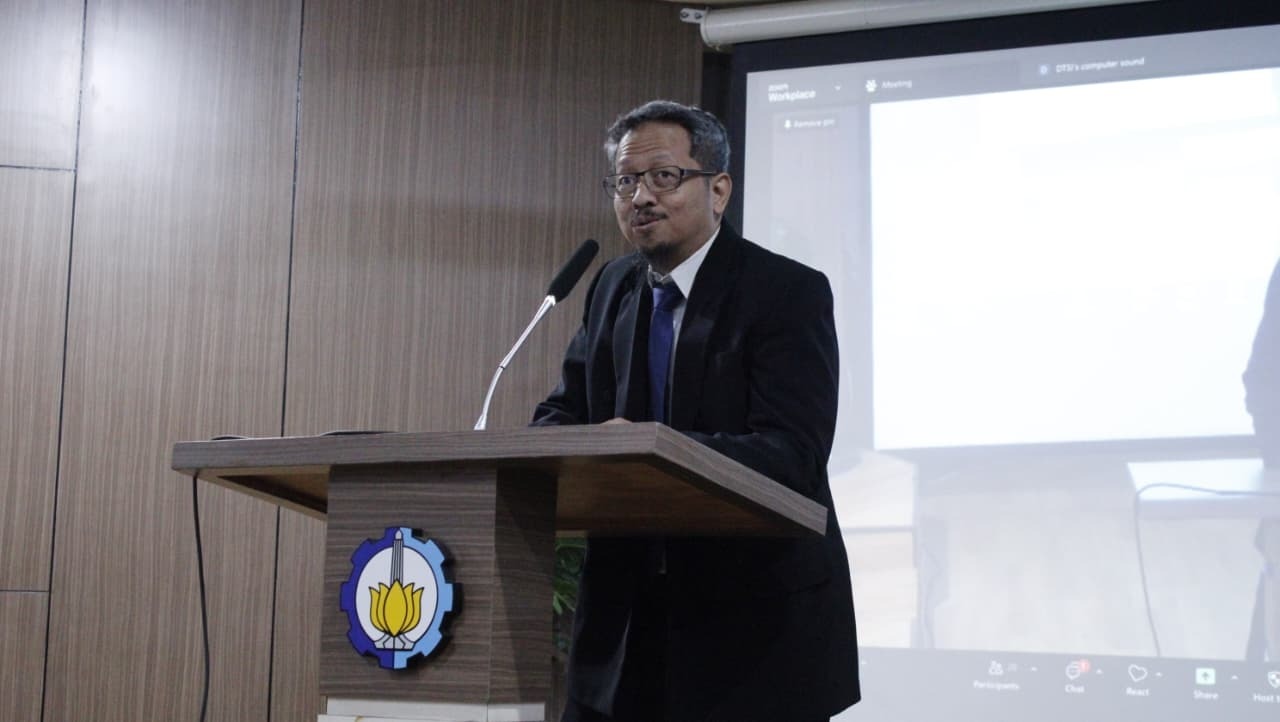
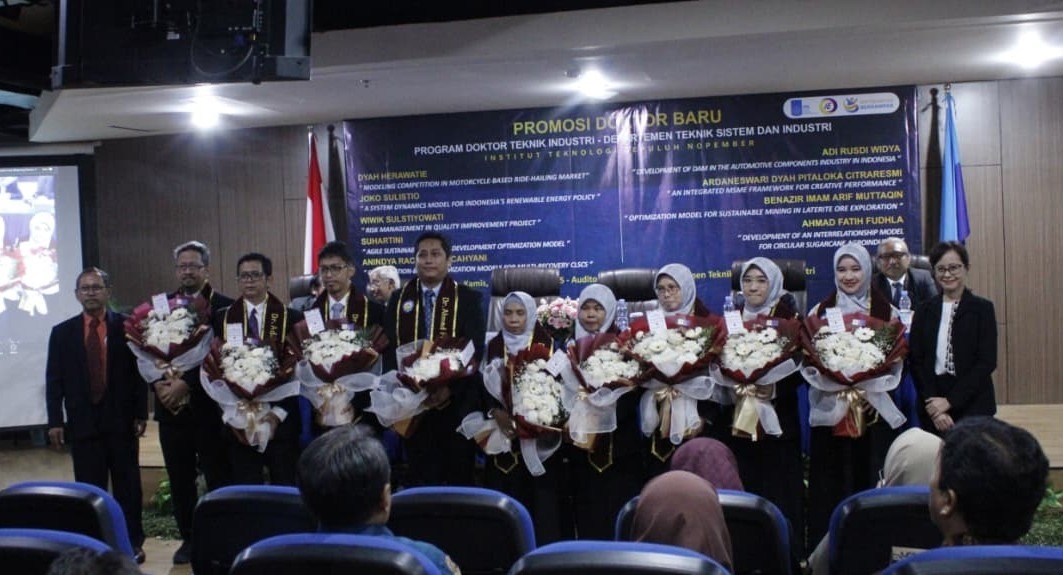
ITS Campus, ITS News — Indonesia’s efforts to achieve its renewable energy (EBT) mix target continue to draw attention from academics. One such focus comes from Dr. Joko Sulistio, ST, MT, MSc, a doctoral graduate from the Department of Systems and Industrial Engineering (DTSI) at the Sepuluh Nopember Institute of Technology (ITS), who is studying national energy policy scenarios through a dynamic systems model approach.
In his dissertation, ” Scenarios of the Indonesian Government’s Efforts to Achieve New and Renewable Energy Mix Targets: A Dynamic System Model Approach ,” Joko highlighted that the energy sector is a major contributor to greenhouse gas emissions. He explained that this contrasts with Indonesia’s efforts to achieve 23 percent renewable energy by 2025 and 31 percent by 2050, as stipulated in Government Regulation (PP) Number 79 of 2014 concerning National Energy Policy (KEN).
Joko further stated that the success of the energy transition depends not only on technological innovation but also on government commitment and policy consistency. However, reality shows that the government’s renewable energy policies have not yet yielded optimal results, with conventional energy capacity still growing faster than clean energy. “Indonesia needs more targeted policies to effectively encourage the energy transition,” he stressed.
To address this issue, the Surabaya-born man proposed a national energy policy scenario using a dynamic systems modeling approach. This approach combines regression analysis, energy consumer behavior studies based on the Theory of Planned Behavior (TPB), and dynamic systems modeling using Powersim Studio 10. Through this system, the research produced an energy policy model and simulation that illustrates the relationship between investment, subsidies, compensation, and renewable energy capacity.
Based on the modeling results, Joko demonstrated that his simulations showed that a moratorium and early retirement of coal-fired power plants (PLTU) could accelerate the energy transition. He explained that this measure could directly reduce dependence on coal and encourage increased renewable energy power generation capacity. “This policy can shift investment to focus on renewable energy, thereby accelerating the transformation of the energy system toward cleaner sources,” he said.
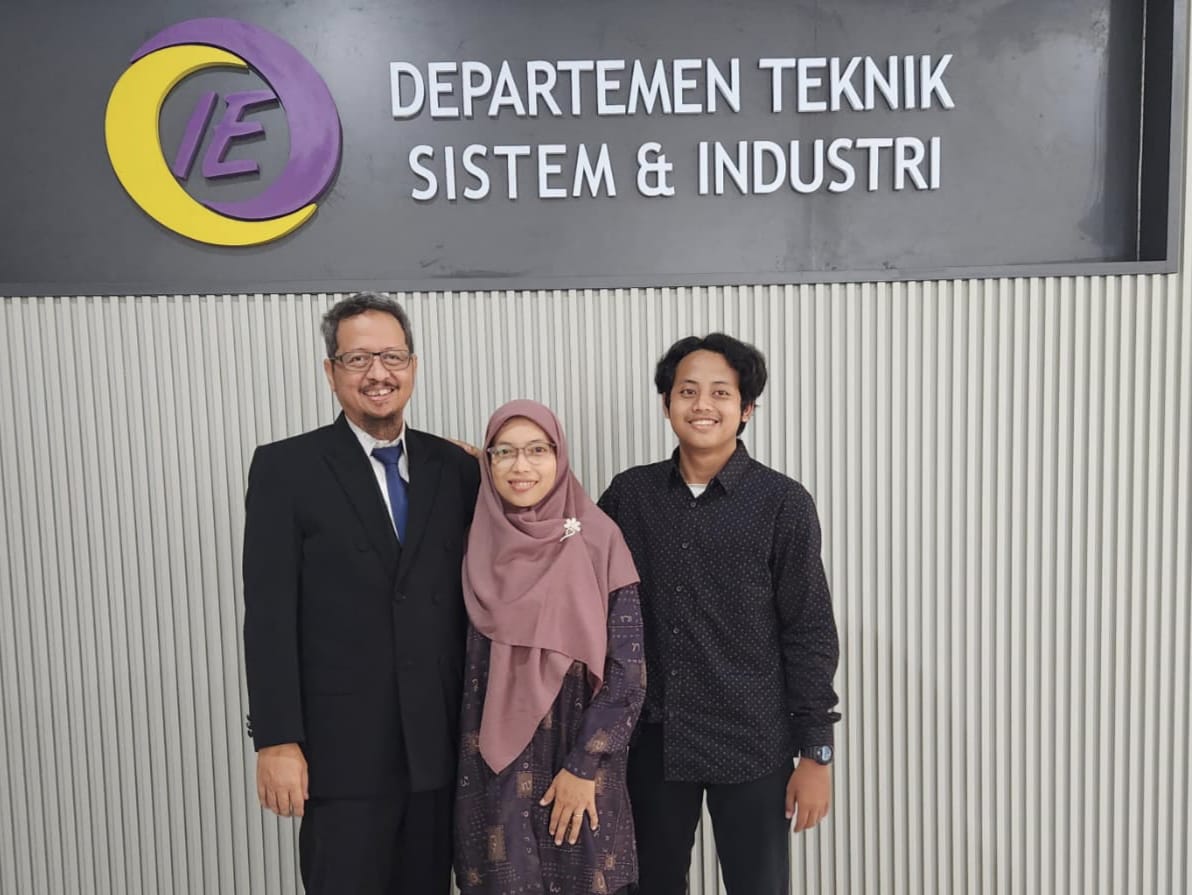
Through his research, Joko hopes the model he developed can serve as an academic reference and practical guide for the government in accelerating the achievement of national clean energy targets. He also emphasized the importance of the younger generation’s role in continuing to innovate and contribute to supporting the transition to renewable energy (REBT) to achieve Net Zero Emissions by 2060.
The Industrial Engineering lecturer at the Islamic University of Indonesia (UII) also expressed his hope that the research would directly contribute to Sustainable Development Goals (SDGs) point 7 on Affordable and Clean Energy and support several other sustainable development goals. These goals include point 8 on Decent Work and Economic Growth, and point 9 on Industry, Innovation, and Infrastructure. (ITS Public Relations)
Reporter: Aulia Okta Wijaya
Translator : Devinka Mutianeira