Published on
Thursday, 30 July 2026
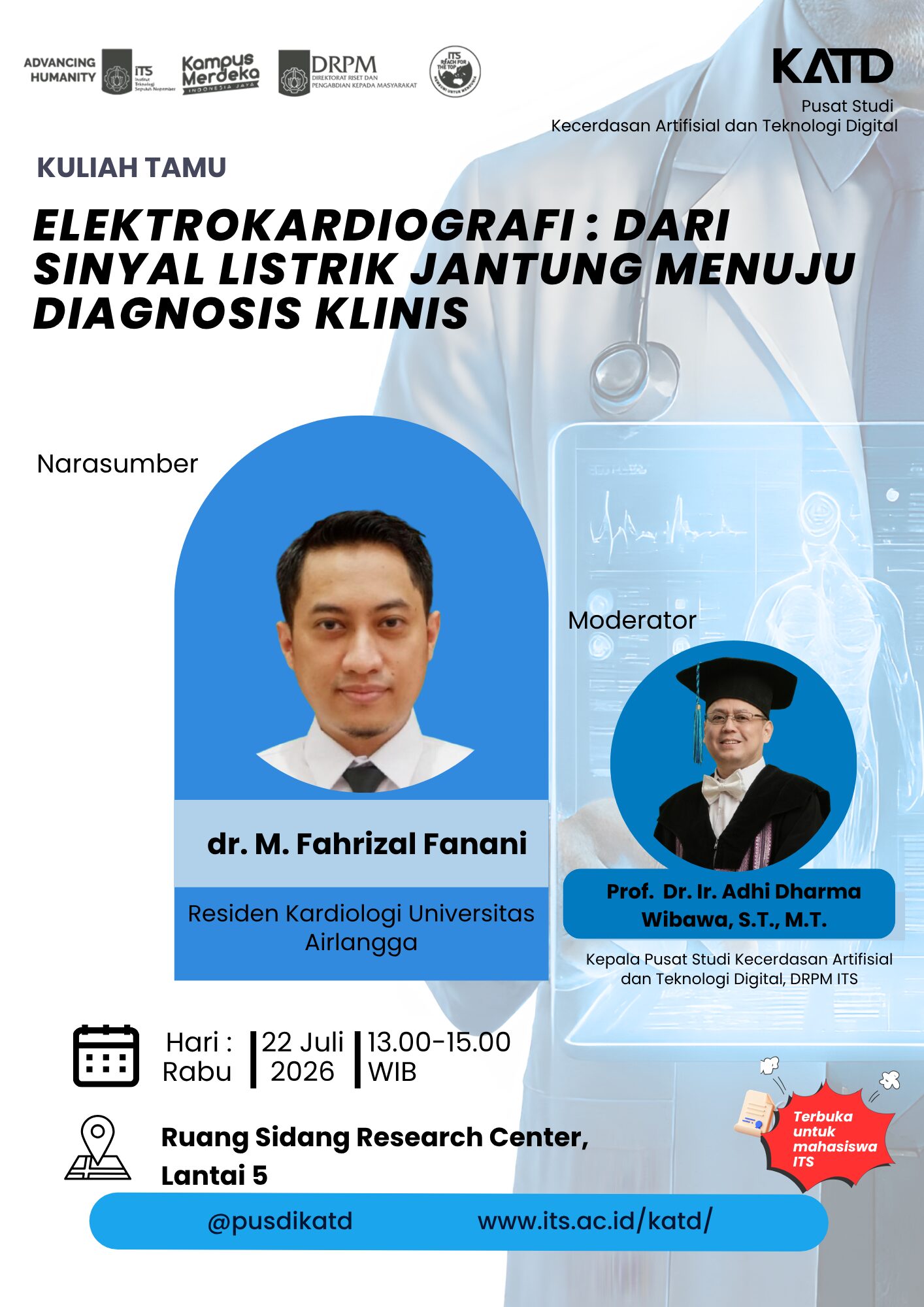
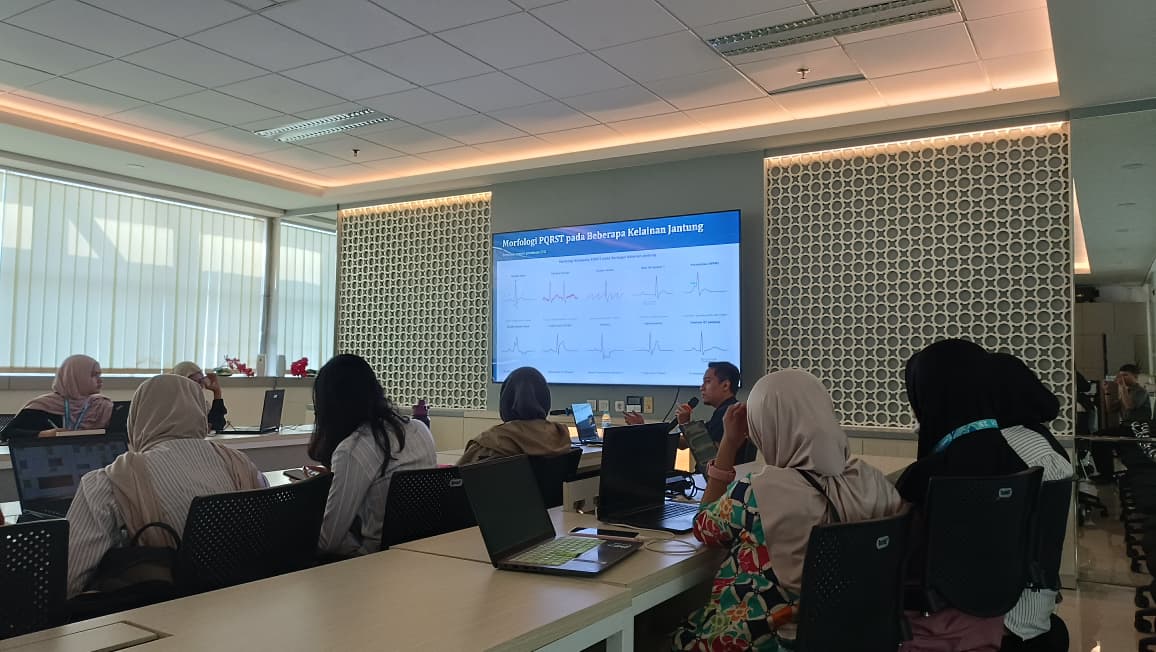
Surabaya – The Center for Artificial Intelligence and Digital Technology (KATD), Institut Teknologi Sepuluh Nopember (ITS), held a guest lecture entitled “Electrocardiography: From Heart Electrical Signals to Clinical Diagnosis” on Wednesday (July 22nd 2026) in the 5th Floor Research Center Meeting Room.
This event featured dr. M. Fahrizal Fanani, Cardiology Resident at Airlangga University, as a resource person. The event was moderated by Prof. Dr. Ir. Adhi Dharma Wibawa, S.T., M.T., Head of the KATD. The guest lecture was attended by students interested in health, artificial intelligence, and biomedical signal processing.
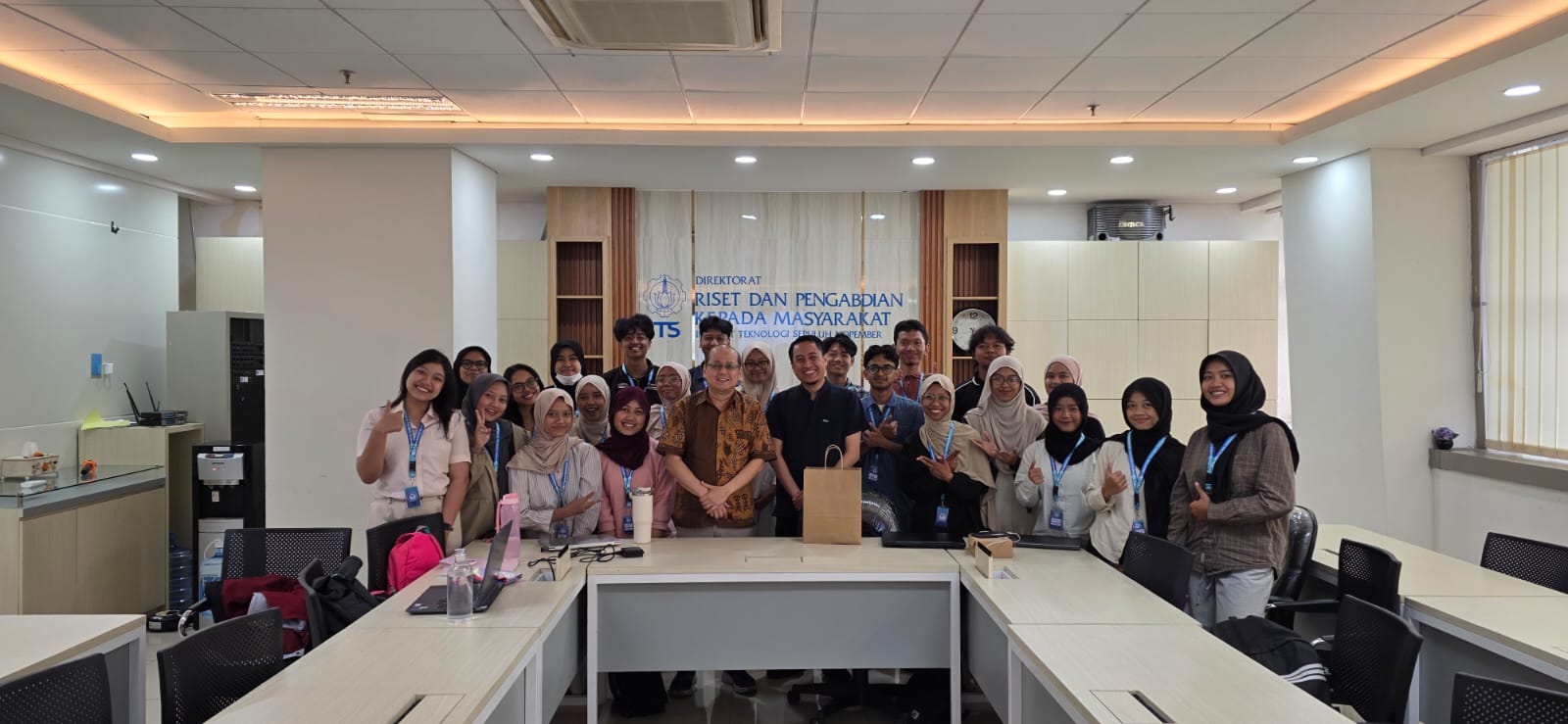
In his presentation, dr. Fahrizal explained that electrocardiography (ECG) is a crucial basic examination in cardiology. Through the electrical signals generated by cardiac activity, medical personnel can obtain various information about the physiological condition and disorders of the organ. Participants were invited to understand how the heart’s electrical signals are formed, the interpretation of ECG waves, and their application in aiding the diagnosis of various cardiovascular diseases.
In addition to discussing clinical aspects, the speakers also highlighted the development of digital technology, which is increasingly playing a role in biomedical signal analysis. The use of artificial intelligence, digital signal processing, and decision support systems is considered capable of increasing the speed and accuracy of ECG data analysis, thereby supporting more effective healthcare services.
Through this guest lecture, KATD remains committed to providing an academic forum that brings together practitioners, researchers, and students to share insights on developments in science and technology. This activity also serves as one of KATD’s efforts to encourage interdisciplinary research collaboration, particularly in the fields of biomedical signal processing, artificial intelligence, and digital healthcare.