Surabaya, IT Journalistic — The Department of Information Technology (DTI) at Institut Teknologi Sepuluh Nopember (ITS) held a Guest Lecture for the Digital Forensics course on Monday (11/16/2026), from 07:00 to 09:30 WIB in Room 702, Tower 2 Building, ITS. The event featured First Police Inspector (IPTU) Setyadi Arli Murtopo, S.H., M.Si., Head of the Computer Affairs Sub-Division of Digital Forensics at the Forensic Laboratory Division (Bidlabfor) of the East Java Regional Police (Polda Jawa Timur), who presented on the role of digital forensics in legal evidence.
IPTU Setyadi explained six areas of digital forensic examination: Computer Forensics, Mobile Phone Forensics, Multimedia Forensics, Audio Forensics, Network Forensics, and Link Analysis. Mobile device examination is one of the most frequently conducted procedures in the forensic laboratory, reaching around 1,200 units. This highlights the importance of proper evidence-handling procedures to maintain data integrity.
The handling of digital evidence refers to SNI ISO/IEC 27037 through four stages: identification, collection and acquisition, preservation, and analysis and presentation. During the process, evidence is labeled and sealed, mobile devices can be placed inside a Faraday Bag to isolate signals, and examinations are performed using a forensic copy (forensic image) rather than the original device.
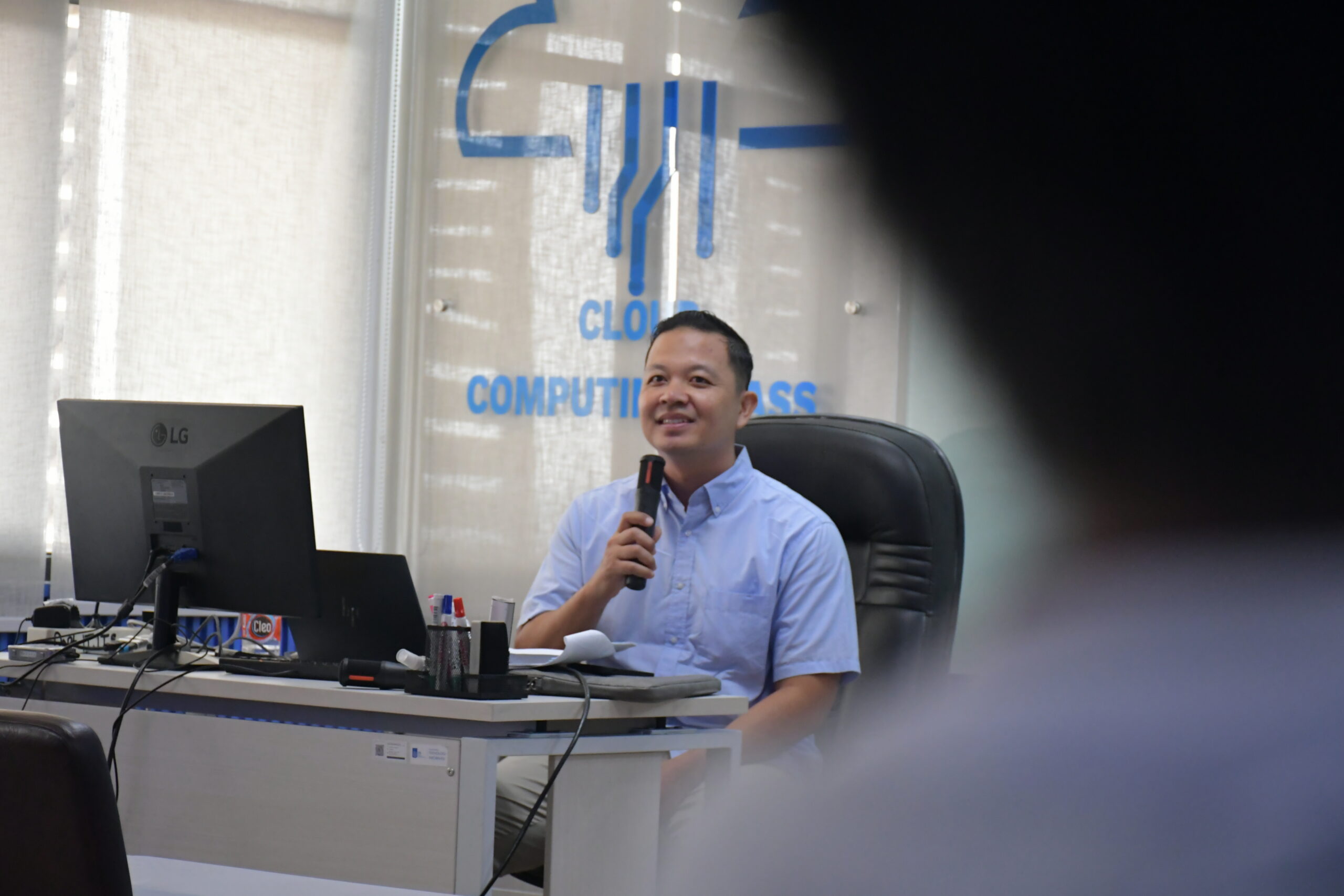
IPTU Setyadi Arli Murtopo delivering material on the role of digital forensics in examining electronic evidence.
In addition to examination procedures, IPTU Setyadi outlined five forensic laboratory standards: ISO/IEC 17025, SNI ISO/IEC 27037, ISO/IEC 27042, ISO/IEC 27043, and ISO/IEC 30121. These standards serve as guidelines to ensure the quality of digital evidence examination and analysis.
Technological advancements present new challenges in digital forensic examination, such as device and application encryption, as well as video and audio manipulation using Artificial Intelligence (AI). To introduce the practical application of forensic technology, IPTU Setyadi demonstrated the use of the Tableau TX1 for forensic imaging and a Faraday Bag for signal isolation. Students also had the opportunity to try out the equipment firsthand to better understand the digital evidence examination process.
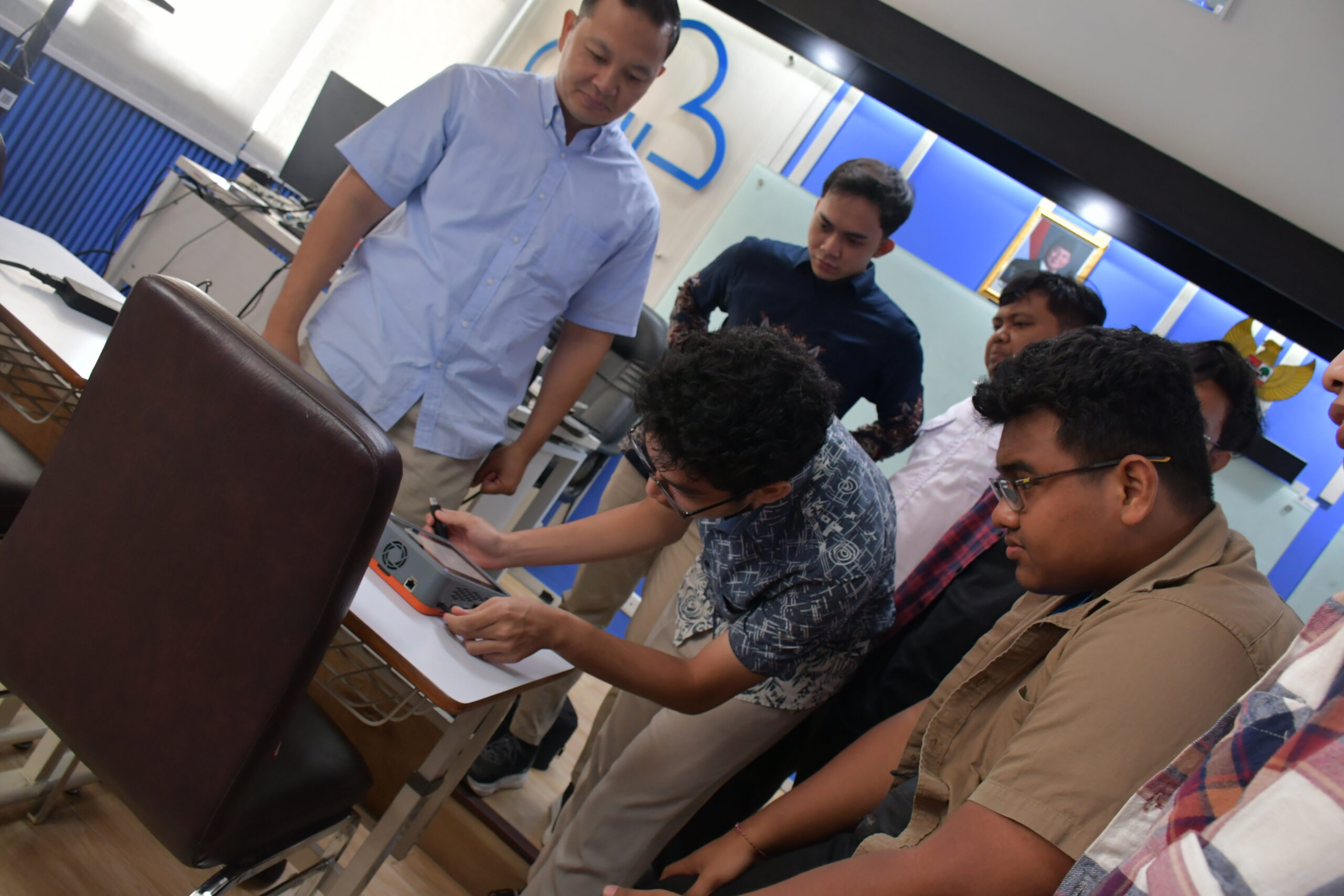
Students trying out digital forensic equipment during the demonstration session.
IPTU Setyadi also discussed career opportunities as a digital forensic analyst in the corporate sector and State-Owned Enterprises (BUMN), particularly for handling internal investigations. The presentation gave students insight into how digital forensics is applied in the workplace, both in law enforcement and corporate environments. Through this event, students gained an understanding that digital forensics is not only about classroom theory, but also has direct practical applications in handling cases and examining electronic evidence.
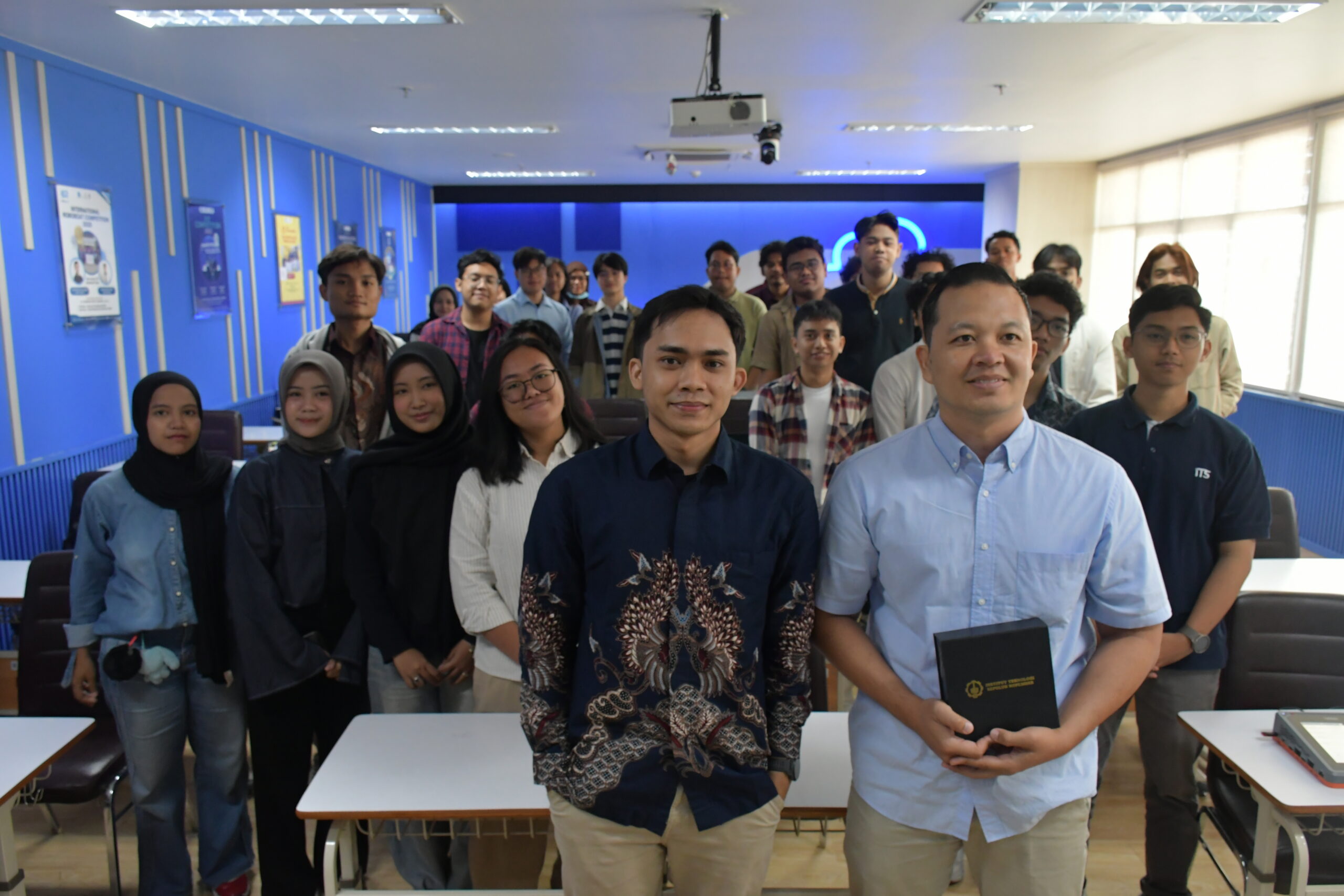
Group photo with students, IPTU Setyadi Arli Murtopo as the speaker, and Deka Julian Arrizki, S.Kom., M.Kom. as the Digital Forensics course lecturer.
Contribution to Sustainable Development Goals
This Digital Forensics Guest Lecture aligns with several Sustainable Development Goals (SDGs):
-
SDG 4: Quality Education, through direct learning from practitioners and hands-on demonstrations of digital forensic tools.
-
SDG 9: Industry, Innovation, and Infrastructure, through the introduction of digital forensic technologies and examination methods.
-
SDG 16: Peace, Justice, and Strong Institutions, through understanding the importance of electronic evidence integrity in supporting legal proceedings.
Through this activity, students gained a clear picture of how digital forensics is applied in handling electronic evidence and in professional careers.
Reporter: Mutiara Diva
===============================
Information provided by:
Department of Information Technology
Website: its.ac.id/it
Instagram: its_teknologi_informasi
Youtube : Teknologi Informasi ITS