About
Published on
Tuesday, 15 September 2026
As a form of strengthening collaboration between the academic and industrial world, students from the Faculty of Intelligent Electrical and Informatics Technology (FTEIC) ITS carried out an industrial visit to PT Toyota Motor Manufacturing Indonesia (TMMIN), one of Toyota’s sub-holdings focusing on the production sector.
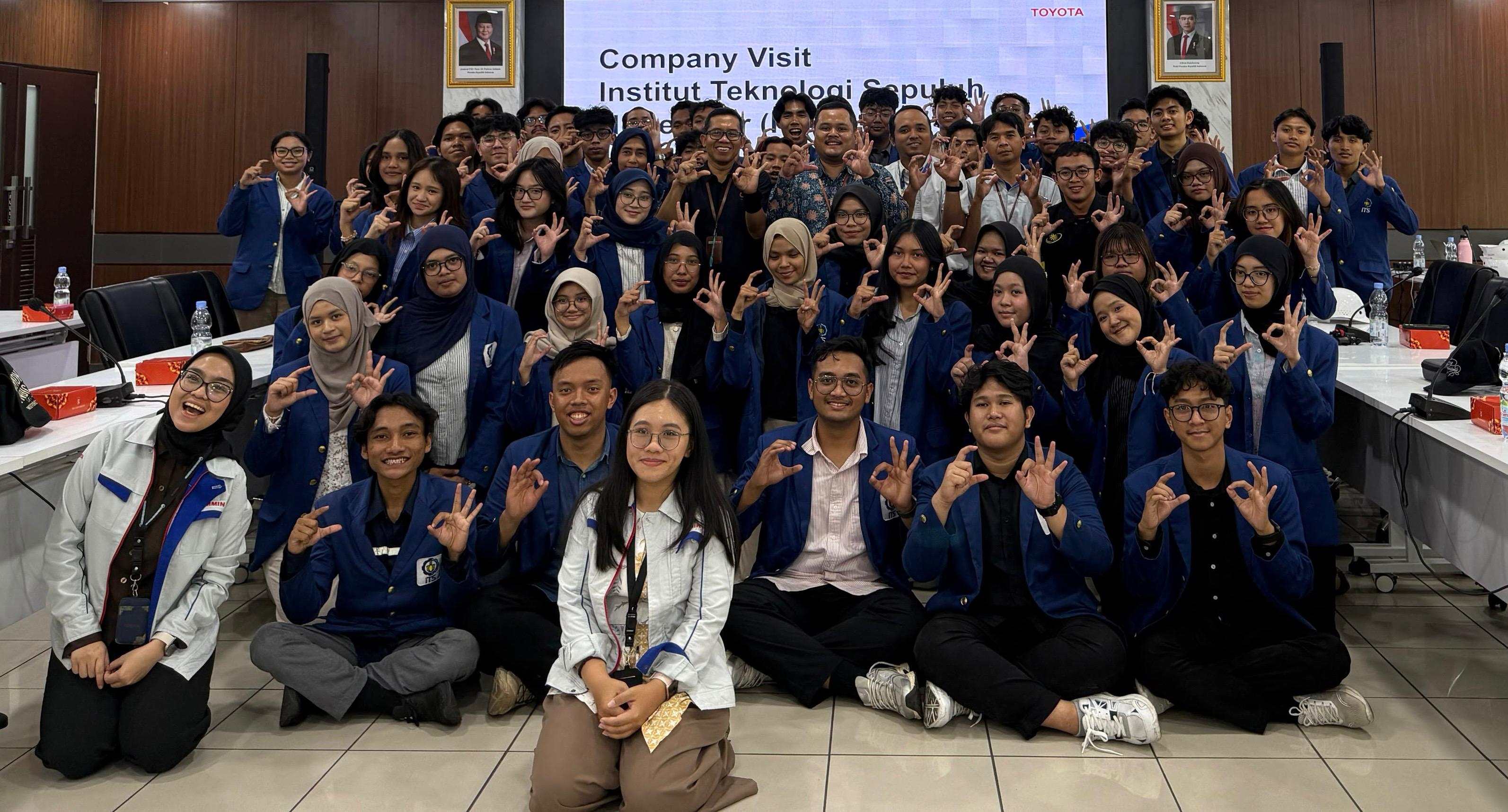
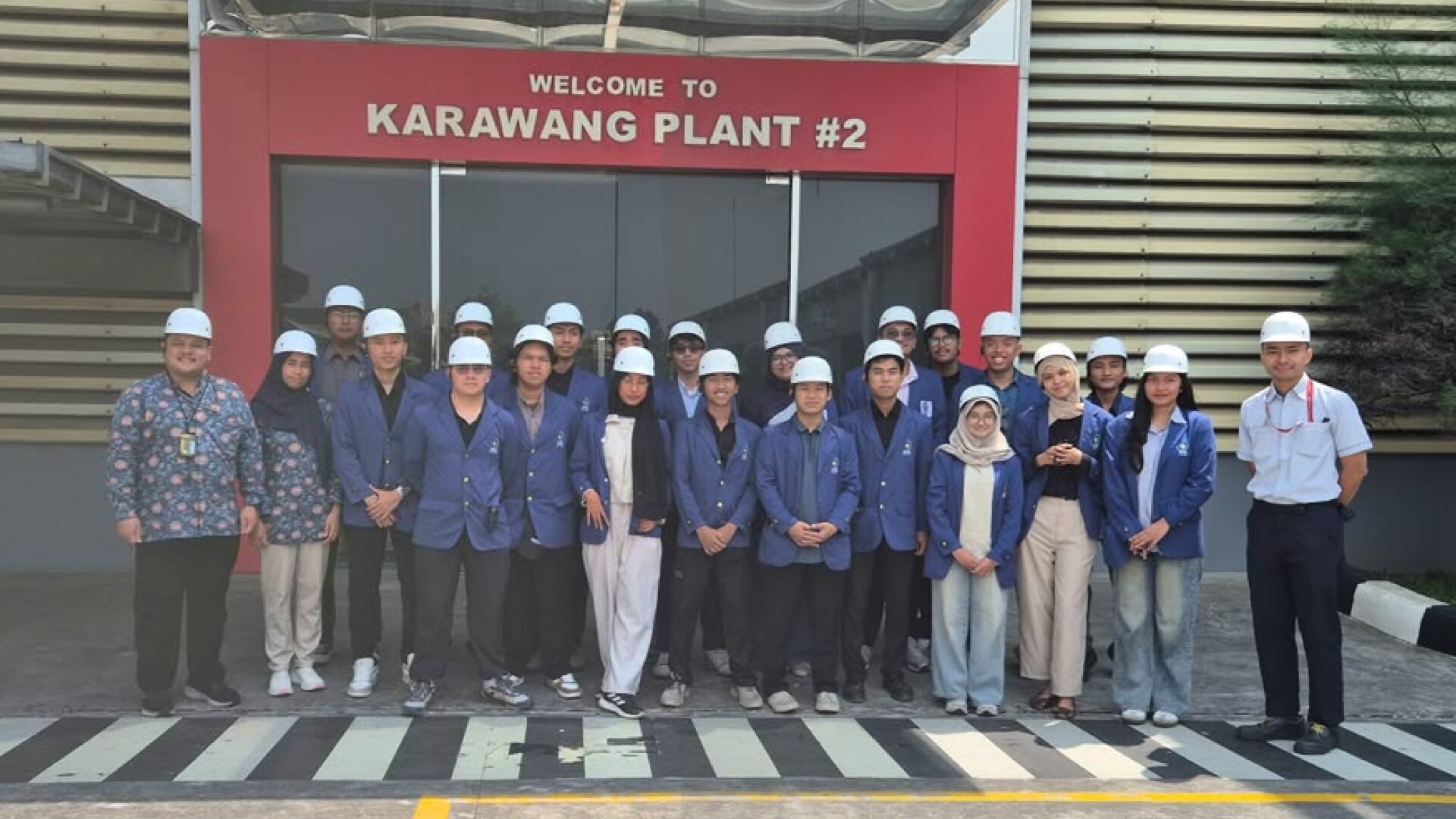
Surabaya, FTEIC ITS – FTEIC ITS students carried out an industrial visit to TMMIN on August 2, 2026, at two locations simultaneously, namely the Sunter Plant and the Karawang Plant. The activity was attended by approximately 55 participants at each plant, bringing the total number of participants from both locations to 110. The delegation consisted of the FTEIC Vice Dean, Dimas Anton Asfani, S.T., M.T., Ph.D., the faculty team, and FTEIC student representatives.
One of the FTEIC student representatives who joined the delegation explained that TMMIN itself is one of Toyota’s sub-holdings that specifically focuses on vehicle production. According to him, this visit is a continuation of the communication that has been established between FTEIC and TMMIN for quite some time. In May 2026, FTEIC and its students received a visit from Kazuhiro Fukuzawa, R&D Director of TMMIN, who came with the mission of recruiting young talents from quality universities in Indonesia to support TMMIN’s technology development. The strong communication between FTEIC students and TMMIN has allowed the partnership between both parties to remain sustainable, eventually materializing into this direct visit to the production plant.
The choice of Toyota as the visit destination, compared to other companies or institutions, was based on several considerations. Toyota is regarded as having an excellent human resource (HR) development cycle and concept. In addition, based on available data, FTEIC is recorded as one of the largest contributors of human resources for the internship program at TMMIN. Another factor supporting this decision is the strong communication and coordination that has been established between FTEIC students and TMMIN as a partner.
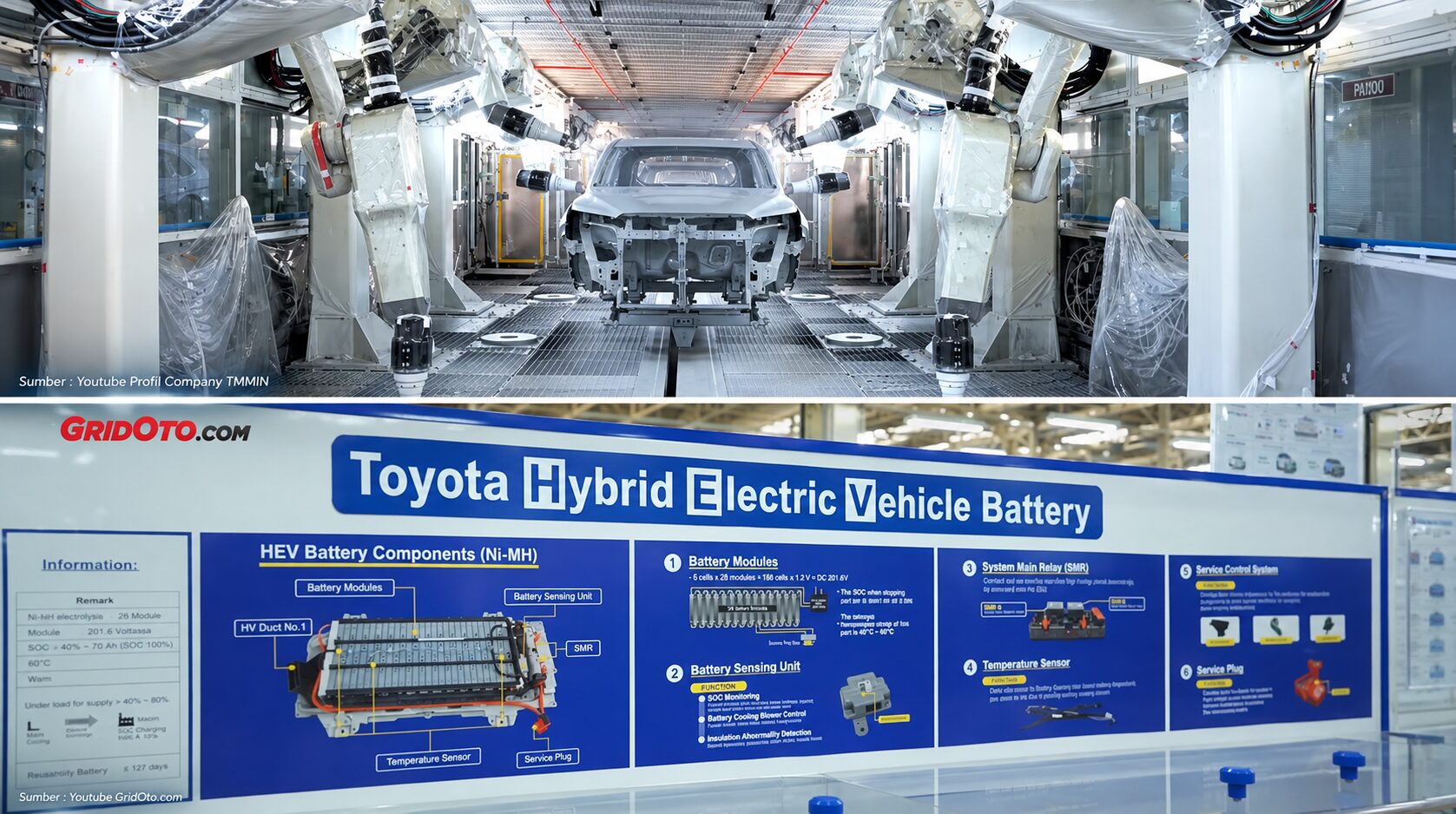
During the visit, the FTEIC delegation was welcomed by TMMIN’s HRD team and directed to a room for a company overview and presentation session. Following this session, participants were divided into two teams for a direct tour of the car production plant, observing the production process from the chassis stage to the final finishing (settle) stage. The activities continued with a hospitality session, followed by a question-and-answer (QnA) session with the company. At the end of the event, there was a presentation on TMMIN’s internship program, closing with a group photo session with the entire delegation.
One of the most memorable insights for participants was learning that Toyota is a highly strategic company, controlling up to 31 percent of the car sales market share in Indonesia. Amid the emergence of many new brands in the electric vehicle (EV) segment, Toyota has managed to remain sustainable through the development of a multi-pathway concept, which provides consumers with various vehicle options according to their needs. In addition, TMMIN carries the slogan “Make people before make product,” which reflects an approach that greatly humanizes all stakeholders working within it. This value serves as a valuable lesson for the development of FTEIC students.
In terms of technology application, what caught students’ attention the most was Toyota’s multi-pathway strategy. Instead of making a direct and complete transition to electric vehicles, Toyota has chosen a gradual approach by considering existing opportunities and market developments. Amid fluctuating geopolitical conditions and global situations, this well-considered and unhurried approach is seen as the key for Toyota to remain sustainable in the long term, while also making it a promising career prospect for graduates.
This activity was considered very helpful for students in understanding the connection between the knowledge learned in lectures and real practices in the industrial world, particularly for students from majors linear to the manufacturing field. More broadly, for FTEIC students, this visit also demonstrated how the implementation of machine learning, artificial intelligence (AI), and the Internet of Things (IoT) is widely used in TMMIN’s car production process.
Regarding collaboration opportunities, various forms of cooperation offered by TMMIN were discussed, ranging from internship programs to other forms of partnership, which are considered very promising for students. Meanwhile, the competencies that students need to prepare from their time at university begin with a strong sense of intention and curiosity. With this foundation, students’ technical skills can continue to be honed and refined over time.
The most memorable impression for participants was the warm and welcoming reception from TMMIN toward the FTEIC delegation. Looking ahead, FTEIC students hope this collaboration can be elevated to a larger scale, ranging from internship hiring opportunities for mid-semester students to employee hiring for final-year students. As additional information, at the end of October, FTEIC students and Toyota will also hold a Software Academy Training as a form of further collaboration between both parties. (Humas-sh)